The Vuelta a Espana has gotten complicated with all the shifting start locations, mid-race controversies, and GC shakeups flying around. As someone who has followed this race obsessively for years — setting alarms to catch mountain stages live and arguing with strangers on cycling forums about summit finishes — I learned everything there is to know about Spain’s Grand Tour. Today, I will share it all with you.
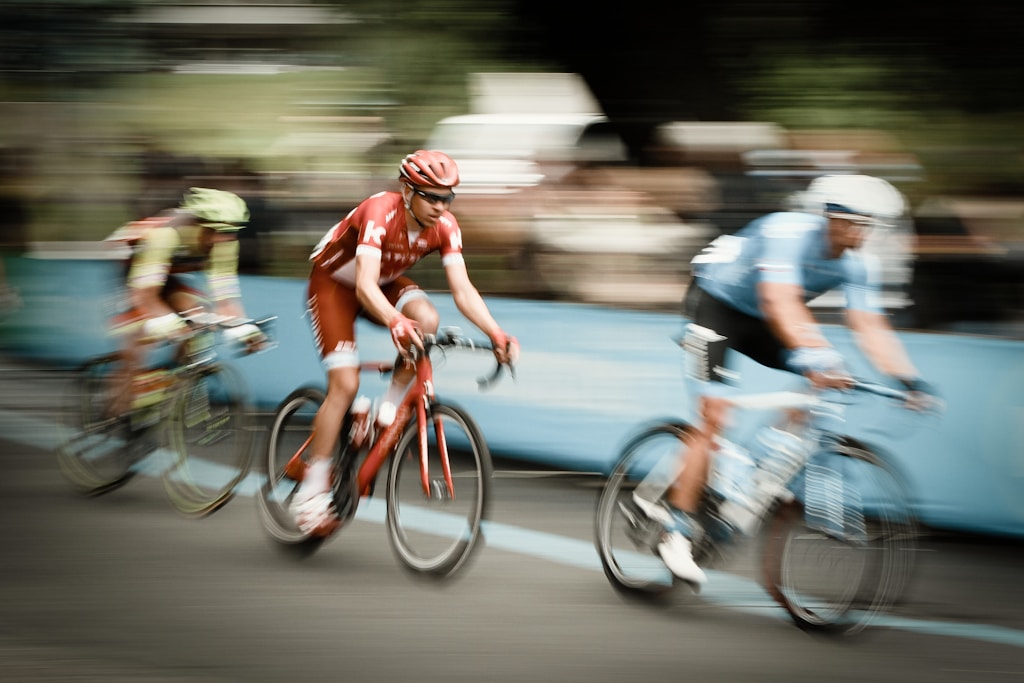
What Makes the Vuelta Different from Everything Else
Probably should have led with this section, honestly. The Vuelta runs late summer — mid-August through early September — which puts it in a totally different context than the Tour or Giro. Riders show up either wrecked from the Tour and looking for redemption, or fresh and hungry because they skipped July entirely. That mix creates chaos in the best possible way.
The heat is brutal in the opening week. I’m talking 40-degree days in Andalusia where the tarmac is literally melting. Then the race heads north into the mountains and suddenly you’re watching guys in arm warmers climbing through fog. The contrast is wild. And because the Vuelta doesn’t get the same pressure and media circus as the Tour, riders race more aggressively. Less calculated, more instinct. That’s why the racing is so good.
Those Insane Spanish Mountains
Spain’s terrain is no joke. The Angliru is the climb that comes up in every conversation, and for good reason — gradients over 20% that look like a wall when you see them from the helicopter shot. Lagos de Covadonga is another beast, with switchbacks that go on forever. The Pyrenean stages hit different in the Vuelta compared to the Tour because the route designers seem to enjoy genuine cruelty.
I tried riding a segment of the Angliru once on a trip to Asturias. Made it about a third of the way before my legs quit and I had to walk. These guys race up it after two weeks of Grand Tour racing. It’s genuinely hard to comprehend.
The Stages That Define Each Edition
Every Vuelta has its moments. The time trials are where seconds get won or lost — and in a race that’s often decided by tiny margins after 3,000+ kilometers, every second is massive. But the mountain stages in the final week are where the Vuelta earns its reputation. That’s when fatigue strips away the tactics and it becomes pure suffering.
Sprint Days Aren’t Boring Either
I know some fans skip the flat stages. Their loss. Watching a sprint lead-out train at full speed in the final three kilometers is organized chaos at 70 km/h. The points classification battle gives these stages genuine stakes, and the crashes and positioning fights in the last few kilometers will spike your heart rate faster than any mountain stage.
Who’s Won This Thing Recently
That’s what makes the Vuelta endearing to us cycling fans — the winner’s list reads like a global who’s who. Belgians, Slovenians, Spanish riders — the red jersey has traveled all over. And the margins are absurd. We’re talking seconds separating first and second after three weeks of racing. A bad day in week two, a mechanical at the wrong moment, a crosswind split — any of it can decide the whole thing.
The Rivalries Keep Getting Better
Recent editions have delivered some of the best Grand Tour racing I’ve ever seen. Real attacks, not just tempo riding up mountains. Counterattacks that actually work. Stages where the GC changes three times in a single afternoon. The Vuelta doesn’t always get the hype of the Tour, but the racing quality is arguably better because everyone’s willing to take risks.
How to Watch
Following the Vuelta has never been easier. Live broadcasts, real-time GPS tracking, social media updates from the team cars — you can basically ride along from your couch. I usually have the live tracker on my laptop and the TV broadcast on simultaneously. The breakaway specialists get their moments, the GC battle simmers all day, and by the final climb you’re yelling at your screen.
If you’re new to cycling and wondering where to start, honestly, the Vuelta might be better than the Tour as an entry point. The racing is more accessible, the storylines are clearer, and the drama hits harder because the stakes feel more personal and less corporate. Give it a shot next August. You won’t regret it.