The Philosophy of Age-Based Competition
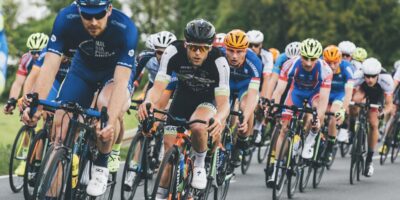
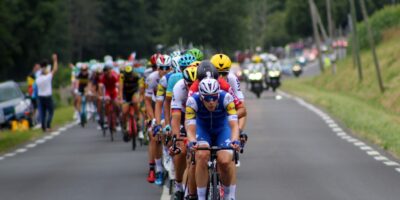
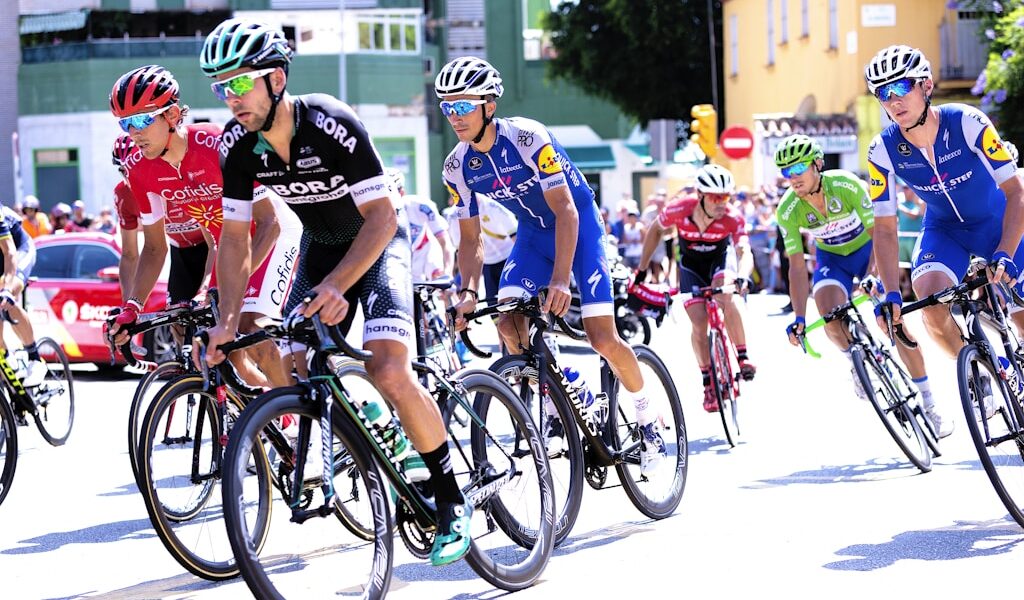
Cycling recognizes what other sports often ignore: competitive fires burn across lifespans. Age group racing allows 55-year-olds to compete against physiological peers rather than racers half their age, and teenagers to develop without being crushed by fully-matured athletes. This structure preserves competitive meaning across decades of participation.
USA Cycling defines junior categories for riders under 19, senior categories from 19-29, and masters categories beginning at 30 (or 35, depending on discipline). Within masters racing, five-year age bands create increasingly specific peer groups: 35-39, 40-44, 45-49, and continuing through 70+ and beyond.
Junior Racing: Development Focus
Junior racing prioritizes development over results. Gear restrictions limit mechanical advantage, keeping competition focused on fitness and skills. Junior-specific events feature appropriate distances and intensities, building young racers without burnout.
Age verification matters in junior categories. Eligibility typically determined by age on December 31 of the racing year means a rider turning 15 mid-season races as a 15-year-old all year. Understanding these rules prevents category placement disputes.
Junior racing serves as the pipeline to elite competition. Riders demonstrating talent receive attention from development programs, national team scouts, and scholarship opportunities. For those not pursuing elite paths, junior racing still provides competitive experience that enriches adult recreational participation.
Masters Racing: The Largest Segment
Masters racing constitutes the majority of competitive cycling participation. These riders balance training against careers, families, and responsibilities that full-time athletes avoid. Masters competition acknowledges these realities while preserving meaningful competition.
Five-year age bands create categories where physiological decline rates group similar capabilities. A 40-year-old racing against a 44-year-old faces much fairer competition than racing against a 35-year-old. Category placement by birth year, not race-day age, creates stable season-long assignments.
Masters National Championships crown age-group national champions, providing elite-level competition among age peers. These championships attract serious competitors who train specifically for these pinnacle events. Winning a masters national title represents legitimate national-level achievement.
50+ and Senior Racing
Masters 50+ racing has grown dramatically as baby boomers aged into these categories while maintaining cycling commitments. This demographic brings resources (better equipment, flexibility for training) and motivation (health maintenance, competitive outlet) that sustain active racing programs.
Senior Games and state senior Olympics provide additional competitive opportunities for 50+ athletes across multiple sports. Cycling events at these competitions feature recreational to serious competitors, offering multi-sport athletes paths to cycling competition without USA Cycling membership complexity.
Category Racing Versus Age Group Racing
Age groups represent one categorization axis; ability category represents another. A 45-year-old Category 3 racer might compete in both a Masters 45+ race and an open Category 3 field at the same event. Understanding which races offer age-group scoring versus open scoring helps target appropriate competitions.
Some events field combined masters races with results separated by age group afterward. Others run separate races for each age band. Combined races offer larger fields and tactical complexity; separate races offer competition against pure peers. Neither approach is superior—they serve different preferences.
Making Age Groups Work for You
Embrace your age group rather than lamenting what younger legs could do. Train specifically for your category’s demands—masters racing often rewards tactical experience over raw power. Target events with strong age-group fields; thin categories diminish competitive satisfaction even with favorable results. Racing against peers preserves the competitive essence regardless of absolute speeds.