You Do Not Need to Be Fast — You Just Need to Start
Cycling races for beginners has turned into a moving target with all the gatekeeping and intimidation flying around. As someone who showed up to my first race in 2018 wearing a jersey two sizes too big and clipless pedals I had practiced clipping into exactly once, I picked up the practical knowledge of what it actually takes to line up at a starting line when you have never done it before. Today, I will share it all with you.
My first race was a Cat 5 criterium — a short-course race around a closed loop — at a local park. Twenty minutes long. I finished second to last. My legs burned so badly by lap three that I genuinely considered pulling off the course and pretending I had a mechanical issue. I did not pull off. I finished. And I signed up for another one the following weekend. That’s what makes beginner racing endearing to us cycling people — the first one is terrible, and then you are hooked anyway.
Types of Races That Actually Work for New Riders
Probably should have led with this topic, to be honest. Because picking the right type of race for your first one matters more than your fitness level.
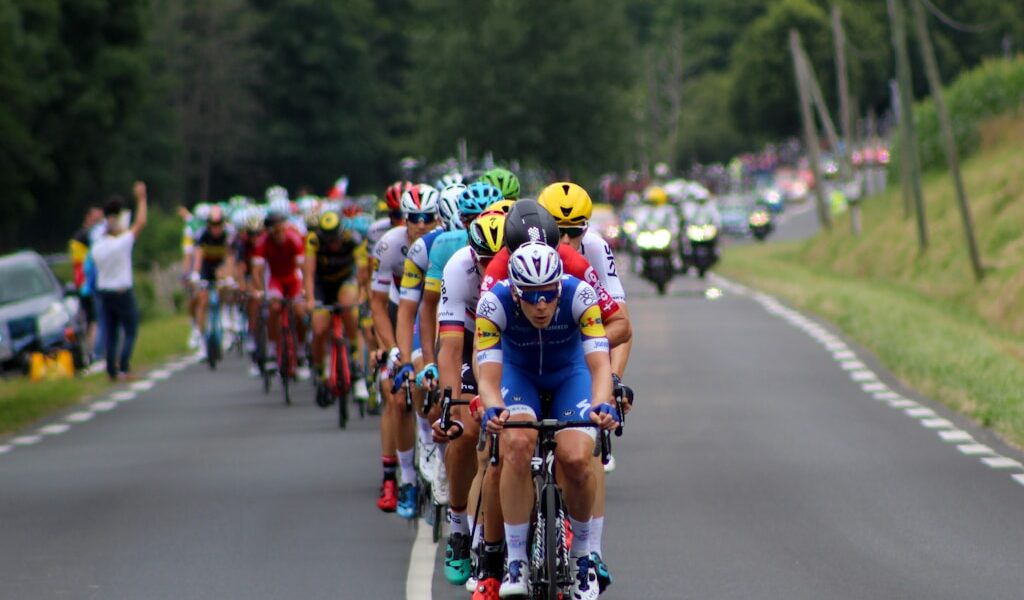
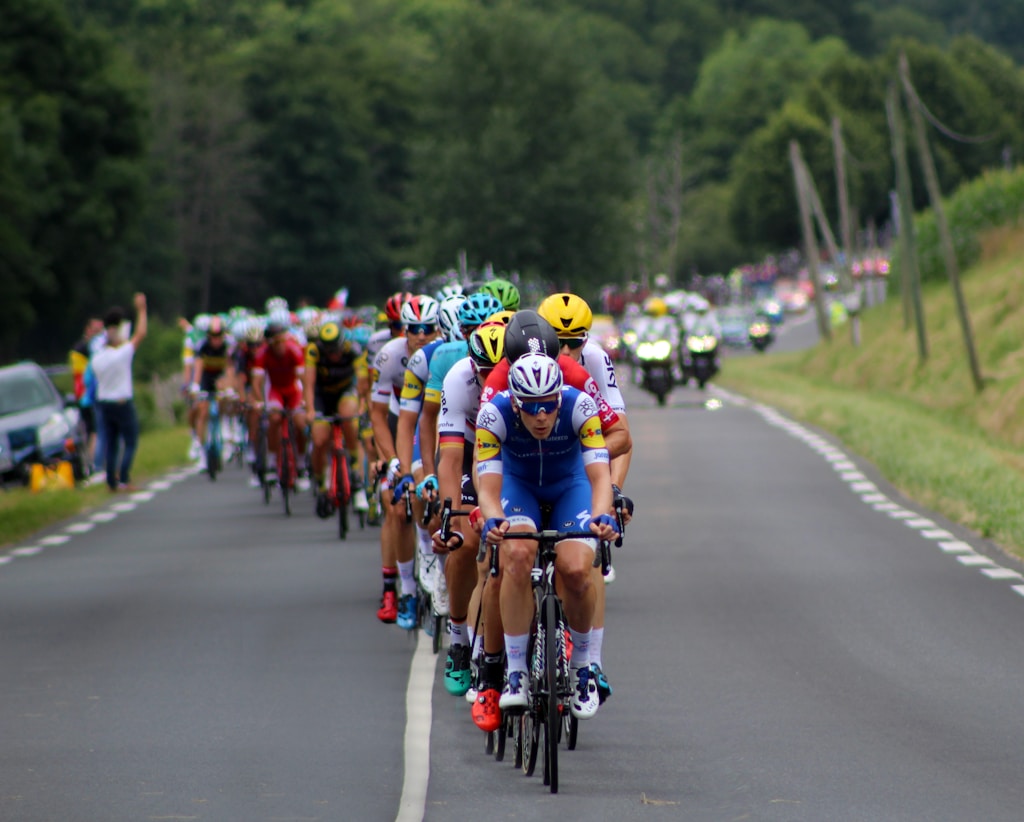
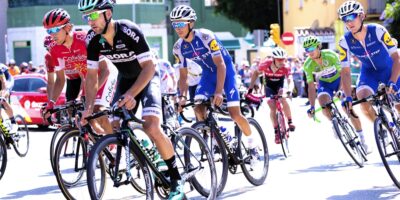
Criteriums: Short closed-circuit races, usually 30 to 60 minutes for beginners. Laps are typically a mile or less. You get dropped, you try again next lap. The pace is hard but the duration is short. This is where most new racers start, and for good reason — the time commitment is small and you learn pack skills fast. I’m apparently the kind of person who needs repeated short suffering rather than one long bout of it.
Time Trials: You against the clock. No pack, no drafting, no tactics. Just ride as fast as you can for 10 to 25 miles. This is the best option if group riding makes you nervous. You start alone, you finish alone, and your only competition is the clock. My first time trial was a 10-mile out-and-back on a flat road. I averaged 19 mph and felt like a champion. The winner averaged 28 mph. Perspective is everything.
Gran Fondos: Mass-participation rides that feel like races but are technically not. They are timed, they have a start line, and people absolutely race them — but there is no official racing license required and the atmosphere is more supportive than competitive. If the word “race” intimidates you, start here.
Cyclocross: Off-road racing on mixed terrain — grass, mud, sometimes sand. The pace is intense but the atmosphere is genuinely the most fun in cycling. People dress in costumes, spectators hand out beer, and falling in the mud is expected. If you want to race but hate the seriousness of road racing, cyclocross is your entry point. My first cross race I fell four times and still had a better time than most road race finishes.
How to Find Races Near You
But what is the actual process for finding beginner races? In essence, it is simpler than most people expect. But it is much more than just googling “bike race near me.”
BikeReg.com: The primary registration platform for cycling events in the United States. Filter by state, distance, and discipline. Look for events labeled Cat 5, Beginner, or Novice.
USA Cycling: The national governing body maintains an event calendar at usacycling.org. You will need a one-day or annual license to race sanctioned events — a one-day license runs about $15 and you can buy it at registration.
Local bike shops: Shop bulletin boards and social media pages are where grassroots events get promoted. Many shops sponsor or host beginner-friendly races and group rides that feed into the racing scene.
Facebook groups: Search for your city or region plus “cycling” or “racing.” Local cycling Facebook groups are still the best place to find informal events, training crits, and practice races that never make it to BikeReg.
What You Actually Need to Show Up
You need less than you think. A road bike or gravel bike in working condition. A helmet — required, non-negotiable, they will not let you start without one. Cycling shorts with a chamois. Shoes you can pedal in. Water bottles. That is it for your first race.
You do not need a carbon frame, a power meter, an aero helmet, or a race skinsuit. I raced my first full season on an aluminum bike from 2014 with Shimano Tiagra components. The bike was not the limiting factor. My fitness was the limiting factor. Side-step the error I made of spending money on equipment when what you actually need is more miles in your legs.
Training — The Minimum That Gets You to the Start Line
You do not need a coach or a structured training plan to enter your first race. You need three things: the ability to ride for the duration of the race without stopping, basic pack-riding skills, and enough fitness to recover from hard efforts.
Ride three to four times per week. Two shorter rides of 45 to 60 minutes with some hard efforts mixed in — accelerations, short climbs, anything that gets your heart rate up. One longer ride of 90 minutes to two hours at a comfortable pace. Join a group ride weekly if possible — group riding skills transfer directly to racing and you cannot practice them solo.
That is enough to show up to a beginner race and finish. You will not win. But finishing your first race is the only goal that matters. Everything after that is progressive improvement.
Race Day — What Nobody Tells You
Arrive an hour early. You will need time to register, pin your number on (practice this at home — a crooked number pinned through your jersey fabric is a rookie tell that everyone notices), warm up, and figure out where the start line actually is.
The first lap will feel impossibly fast. Your heart rate will spike. You will wonder if you signed up for the wrong category. This is normal. The pace settles after the first five to ten minutes as riders find their positions. Survive the opening surge and the race gets manageable.
Stay near the front third of the group if you can. The back of the pack is where crashes happen, gaps open, and riders get dropped. Moving up in a pack is hard. Starting near the front is easier than fighting your way there later.
After the race, talk to people. Ask what they thought of the course. Ask what races they recommend next. The cycling racing community is smaller than you think and most people are genuinely happy to see new faces at the start line. That is how I found my training partners, my coach, and most of the races that shaped my first two seasons.

Stay in the loop
Get the latest cycling events today updates delivered to your inbox.