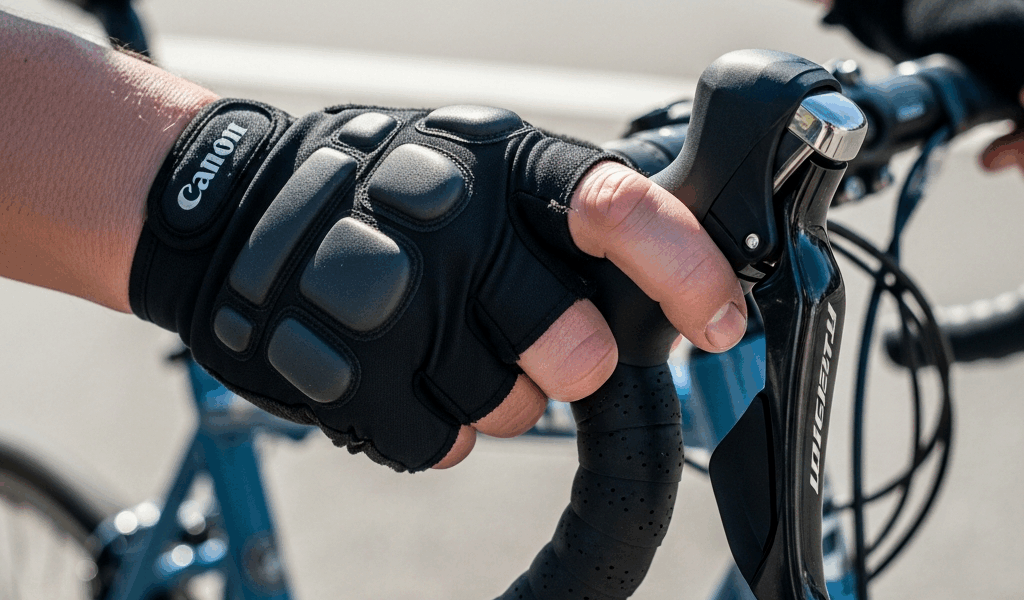
Why Your Hands Actually Go Numb Mid-Ride
Hand numbness on long rides has evolved with all the conflicting advice flying around. Ice baths, special tape, exotic gloves — everyone’s got a theory. But the real answer is simpler and more mechanical than most cyclists want to hear.
Two nerves run through your arms — the ulnar and median — and when they get compressed long enough, your hands lose sensation. Think of it like stepping on a garden hose. The water doesn’t stop because the hose is broken. It stops because something is squeezing it. Same principle applies here. Nothing is actually damaged in the moment. The signal just can’t get through.
Quick callout up front — most cyclists blame themselves before they ever look at the bike. But the bike is usually the problem.
Two things drive this. Too much bodyweight is loading onto your hands when it should be split between the saddle and pedals. Or you’re gripping too hard, staying in one position too long, shoulders tight, arms locked. That exact combination is what triggers it. Hand numbness hits hardest on rides over 40 miles, especially during events where you’re locked into pace and position for stretches. It’s not weird or rare. It’s basically guaranteed if the conditions are right.
The Five Most Common Reasons It Happens to You
Your Saddle Is Too Low
A saddle that sits too low pitches your torso forward and dumps weight onto your hands. Your hands were never designed to carry that load for three hours. The diagnostic is pretty simple — can you touch the ground with your toes while sitting on the saddle without tipping forward? If yes, it’s too low. Target knee bend at the bottom of your pedal stroke is somewhere between 25 and 35 degrees. Even 1 centimeter lower than that shifts the weight distribution enough to matter.
Your Handlebars Are Too Far Away
But what is reach, exactly? In essence, it’s the horizontal distance between your saddle and your bars. But it’s much more than a measurement — it determines your whole posture on the bike. Bars positioned too far forward stretch your arms out, round your shoulders, and send tension radiating straight into your forearms and hands. Stand over the frame with both feet flat. Drop into position on the bars. Your elbows should have roughly a 30-degree bend. Nearly straight-armed means the bars are too far out and you’re probably running a stem that’s 10 to 20 millimeters too long.
You’re Locking Your Elbows
Rigid arms are basically shock absorbers with nowhere to absorb. Every bump, every road crack, every rough patch transfers directly into your palms. Bent elbows act like suspension. This fix costs nothing — bend your elbows. That’s the whole fix. The problem is that under fatigue your body defaults back to locked arms without you noticing. You’ll need to actively check during the ride.
You’re Gripping Like Your Life Depends On It
Descents make people clench. Technical corners make people clench. That’s understandable. But on flat ground and on climbs, your grip should be loose enough that you could open your hand in an emergency without catastrophe. Death-grip is a habit — and it’s also the fastest path to completely numb hands by mile 50. Your hands are supposed to guide the bars. Not strangle them.
Your Gloves or Bar Tape Have Zero Padding
Ultra-thin bar tape and gloves without palm padding leave your hands absorbing raw vibration for hours. If your gloves feel like a thin leather shell with nothing underneath, they’re part of the problem. Basic Shimano or Pearl Izumi gloves run $30 to $50 and make a real difference. I’m apparently sensitive to this and Pearl Izumi works for me while thinner gloves never last past mile 30 without issues. Thicker bar tape — cork or foam in the 2 to 3 millimeter range — runs $15 to $25 and noticeably cuts hand fatigue on long days.
Quick Fixes You Can Try Before Your Next Ride
Start free. Raise your saddle 5 to 10 millimeters and ride around the block. Notice if weight comes off your hands — it usually does immediately. Bend your elbows consciously during the warm-up. Don’t repeat what I did of adjusting the saddle once and assuming it stays perfect. Bodies change. Saddle height drifts. Check it periodically.
Move your hands every 10 to 15 minutes. Drops to hoods to tops and back. This rotates which nerves are under pressure and gives each one a chance to recover. Sitting locked in one hand position for 45-minute stretches is basically asking for trouble. Loosen your grip on flats and climbs — save the firm hold for corners and technical descents only.
If your bar tape is worn, shiny, or hardened, replace it. Bontrager cork tape runs about $18. Giro Supernatural gloves and Pearl Izumi Attack both come with real gel cushioning in the palm — not just thin fabric. These aren’t luxury upgrades. On a 70-mile ride, they’re the difference between hands that still work at mile 60 and hands that checked out at mile 35.
Check your stem length. Running a 120-millimeter stem on a smaller frame is a common mismatch. Dropping to 100 or 110 millimeters costs $30 to $60 for a quality replacement and sometimes solves the whole problem outright. If you have a riding friend with a shorter stem setup, borrow their bike for an hour before buying anything.
When to Actually See a Bike Fitter or Doctor
If numbness lingers more than an hour after you stop riding — that’s the line. DIY fixes aren’t enough at that point. Same if only one hand goes numb while the other stays fine. That asymmetry points to something structural, either a fit problem or something medical. Wrist pain showing up alongside the numbness is another flag worth taking seriously.
Those patterns can point toward carpal tunnel syndrome or thoracic outlet syndrome. A physical therapist or sports medicine doctor should evaluate those — not a YouTube video, not a forum post.
A proper bike fit from someone with real credentials — look for IBIS certification specifically — runs $150 to $300. That sounds like a lot until you realize it solves about 80 percent of chronic hand numbness cases. Hold off until you’ve genuinely tried the free fixes first, though. A good fitter measures saddle height, reach, drop, and hand position with actual tools. Sometimes they’ll recommend custom bar bends. Sometimes they’ll find your shoulders are structurally tight and refer you to physio work alongside the bike adjustments. That combination — bike fix plus body fix — is often what gets stubborn cases fully resolved.
How to Prevent Hand Numbness at Your Next Cycling Event
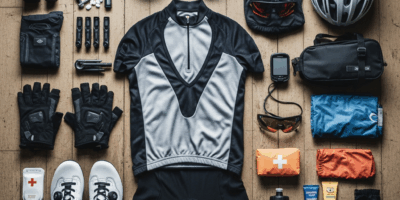
So, without further ado, let’s dive in on the pre-event checklist. Bar tape — is it gripping cleanly or gone shiny and hard? Replace it if it’s degraded. Gloves — padding intact, no tears in the palm? Saddle height — consistent with your last comfortable long ride? Stem length — nothing has changed or shifted since your last event?
Fifteen minutes before the start, roll easy and consciously loosen your grip. Let your shoulders drop. This isn’t warmup theater — it trains your nervous system to stay relaxed before race pressure kicks in and makes you clench without realizing it.
During the ride, treat hand position changes like fueling checkpoints. Every 12 to 15 minutes, shift your hands. Drops to hoods to tops. It takes three seconds and keeps each nerve from staying compressed long enough to go quiet on you.
That’s what makes hand position discipline endearing to us long-distance cyclists — it’s one of the few things that costs nothing, takes almost no time, and actually works. Hand numbness is fixable. Most of the fixes are free. Pay attention to your hands and they’ll hold up for you.

Stay in the loop
Get the latest cycling events today updates delivered to your inbox.