Best Cycling Marathons
Cycling marathons has gotten complicated with all the new events, rebrands, and hype flying around. As someone who has pinned on a number at more of these than I can count on both hands, I learned everything there is to know about which cycling marathons are actually worth doing. Today, I will share it all with you.
Fair warning: I’m biased. I love long-distance cycling the way some people love pizza — unreasonably and without apology. But that bias means I’ve done the research, put in the miles, and suffered through enough bonks and mechanicals to have strong opinions about what belongs on this list.
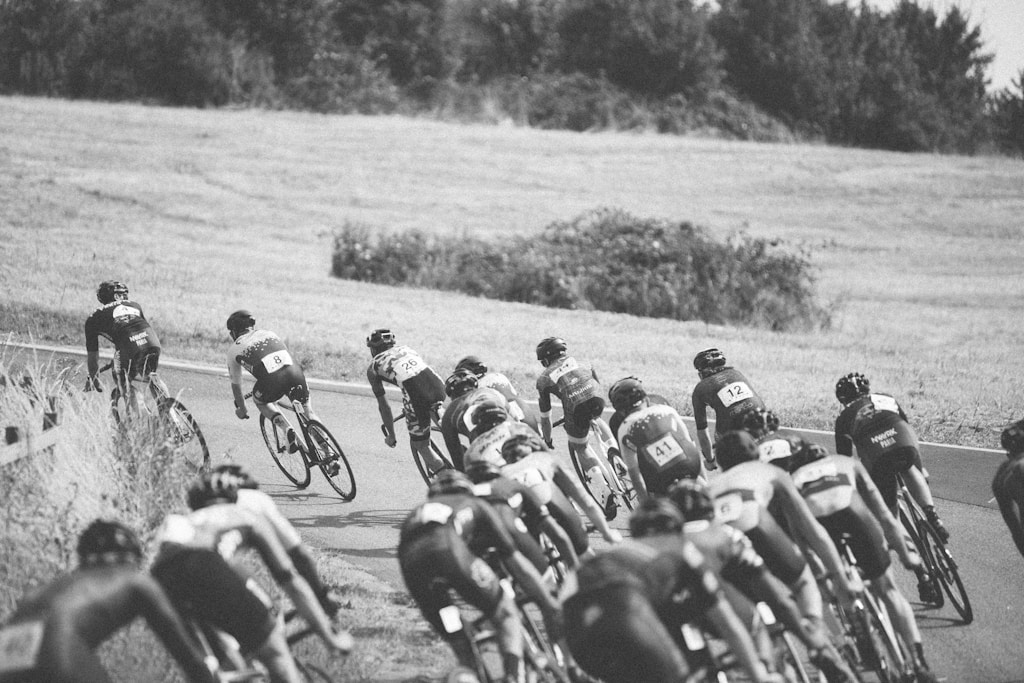
Tour de France
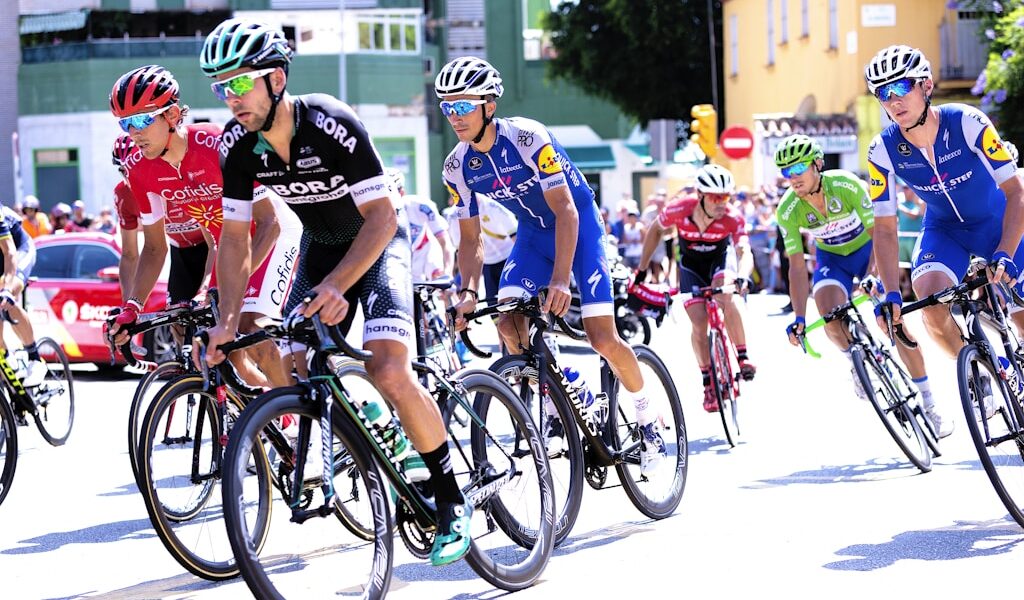
Probably should have led with this section, honestly. The Tour holds legendary status for a reason. Twenty-one stages over 23 days, roughly 3,500 kilometers of plains, mountains, and time trials through France. The landscapes alone are worth watching, but the racing is what makes it transcendent. Winning the Tour is considered the absolute peak of a pro cyclist’s career, and watching it happen live — even from the roadside — gives you chills.
Giro d’Italia
Italy’s grand tour and, in my opinion, the most visually stunning of the three. The start location changes every year, which keeps things fresh. That pink jersey is beautiful and iconic. The route takes riders from the Mediterranean coast up into Alpine passes, and the scenery shift from coastal blues to mountain greens and whites is just incredible. The racing is often more aggressive than the Tour, too. Italian fans don’t hold back.
La Vuelta a Espana
The Vuelta completes the grand tour trio, and it’s the one that doesn’t get enough love. Spain’s geography throws everything at the riders — scorching heat on flat stages, then absolutely savage mountain climbs. This is the climbers’ race, no question about it. Single stages can reshape the entire general classification. The unpredictability keeps me glued to the screen every August and September.
L’Etape du Tour
This is where regular people like you and me get to ride actual Tour de France roads. Closed to traffic, same summits the pros climb, thousands of riders all chasing the same dream. I’ve talked to friends who’ve done it and they uniformly describe it as the hardest and most rewarding day they’ve ever spent on a bike. It’s on my bucket list for sure.
Gran Fondo New York (GFNY)
GFNY brings the gran fondo format to the New York area, and it works surprisingly well. The course mixes urban stretches with rural roads that most New Yorkers don’t even know exist. Timed sections add a competitive edge even if you’re not racing for the podium. The international field is impressive — riders fly in from all over the world for this one. Good vibes, challenging course, and you get to brag about doing a gran fondo in New York.
Maratona dles Dolomites
That’s what makes the Maratona dles Dolomites endearing to us cycling addicts — the combination of jaw-dropping mountain scenery, over 4,000 meters of climbing, and the shared suffering of 9,000 riders all doing this insane thing together. It’s in northern Italy, and the entry is so competitive they run a lottery. People try for years to get a spot. When you finally get in, every pedal stroke through those Dolomite passes feels earned.
Cape Town Cycle Tour
The world’s largest timed cycling event, and the setting is unreal. A hundred and nine kilometers around the Cape Peninsula with the Atlantic Ocean on one side and Table Mountain looming in the background. The final stretch along the Atlantic seaboard is one of those rides that makes you wonder why you’d ever do anything else with your life. Welcoming to beginners and fast enough for elites. South Africa does cycling events right.
Race Across America (RAAM)
RAAM is cycling taken to its most extreme. West coast to east coast, over 4,800 kilometers, and unlike the European grand tours, there are no stages. It’s non-stop. You ride, your support team feeds you and keeps you alive, and you just keep going. Extreme weather, extreme terrain, extreme sleep deprivation. The people who finish this are a different breed entirely. I’m not sure I’d ever attempt it, but I have enormous respect for those who do.
The Dirty Kanza (Unbound Gravel)
The gravel revolution’s flagship event. Two hundred miles through the Flint Hills of Kansas on unpaved roads. The terrain is rough, the isolation is real, and the mental challenge is arguably bigger than the physical one. When you’re 120 miles in on a gravel road with nobody in sight and your legs are toast, you find out what you’re really made of. The gravel community that’s grown around this race is one of the best things in modern cycling.
Transcontinental Race
Pure adventure cycling. Self-supported, across Europe, your own route between checkpoints. No team car, no mechanic, no one to tell you which way to go. You carry everything, fix everything, navigate everything. It’s cycling stripped down to its rawest form. The stories that come out of the Transcontinental are incredible — border crossings at 3 AM, sleeping in bus shelters, mechanical fixes with zip ties and tape. Not for everyone, obviously. But for the right kind of rider, it’s the ultimate test.
Stagecoach 400
Southern California bikepacking at its finest. Four hundred miles through desert and mountain terrain, self-supported. One minute you’re baking in desert heat, the next you’re shivering through mountain air at elevation. The solitude is part of the appeal — long stretches where it’s just you, your bike, and an enormous landscape. If you want to test your self-reliance and get away from civilization for a while, this is the one.
London-Edinburgh-London
Fifteen hundred kilometers. A hundred and twenty-five hours to finish. Britain end to end and back again. This is a proper endurance test that also becomes an exercise in sleep management. How little can you sleep and still safely ride a bicycle? You’ll find out. The route takes you through everything from flat farmland to steep northern hills, and the community of riders who do this is incredibly supportive. Strangers become friends when you’re all hallucinating from sleep deprivation together.
Paris-Brest-Paris
An historic event that runs every four years, which gives it a special weight. Twelve hundred kilometers, 90 hours to complete. It dates back to the earliest days of competitive cycling — 1891 — and carries that history with it. Riding PBP feels like participating in a tradition, not just a race. The four-year gap means many riders spend years training specifically for it. The atmosphere is unlike anything else.
Leadville Trail 100
A hundred miles of mountain biking in the Colorado Rockies at elevations topping 12,000 feet. The altitude alone would be challenging without the steep climbs and rugged terrain. Leadville is famous for its difficulty and equally famous for the sense of accomplishment that comes with finishing. The thin mountain air makes everything harder, and the views from the top of those climbs make everything worth it.
Ironman 70.3 Triathlon
I know, it’s technically a triathlon. But the 90-kilometer bike leg is a serious cycling challenge in its own right. Combined with the swim and run, it tests multi-discipline fitness in a way that pure cycling events don’t. The courses are held worldwide and range from flat and fast to hilly and technical. If you’re a cyclist looking to branch out, the Ironman 70.3 is a natural next step — and the bike leg is where most triathletes make or break their race.
Recommended Cycling Gear
Garmin Edge 1040 GPS Bike Computer – $549.00
Premium GPS with advanced navigation.
Park Tool Bicycle Repair Stand – $259.95
Professional-grade home mechanic stand.
As an Amazon Associate, we earn from qualifying purchases.