Olympic cycling has gotten complicated with all the new formats and rule changes flying around. As someone who has watched every Olympic cycling event since Beijing 2008 and raced track at the amateur level, I learned everything there is to know about how the Games showcase our sport. Today, I will share it all with you.
Track Cycling Events
The velodrome is where things get really intense. I remember the first time I walked into a proper Olympic velodrome and looked up at those banked turns — the steepness is genuinely terrifying in person. Track events blend raw wattage with chess-match tactics, and the finishes can leave you screaming at your screen.
Sprint Events
Individual sprints put two riders head-to-head over three laps, and honestly, the tactical games are sometimes more fun to watch than the actual sprinting. Riders will nearly track-stand, barely moving, daring the other person to take the front. It looks absurd if you’ve never seen it. Team sprints are a whole different beast — three riders in perfect coordination, each pulling a lap at the front before swinging up. The keirin might be my personal favorite though. Multiple riders draft behind a motorized pacer (called a derny), and when it pulls off, absolute chaos unfolds in the final sprint.
Endurance Events
Probably should have led with this section, honestly. The endurance events on the track are where the real drama lives. Individual pursuit sees two riders starting on opposite sides of the velodrome, racing against the clock and trying to close the gap. It looks straightforward but the pacing strategy is everything — go out too hard and you die in the final kilometer.
The madison returned to the Olympic program after years away, and thank goodness for that. It’s gloriously chaotic. Two riders per team take turns, hand-slinging each other into the race. If you’ve never watched a madison, imagine trying to follow twenty riders trading off in a swirling mass of color and speed. The omnium combines multiple events into one competition, rewarding all-rounders who can sprint and suffer equally well.
Road Cycling Events
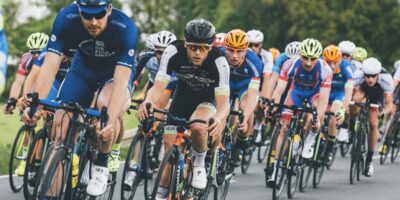
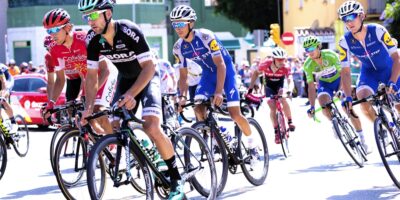
The Olympic road race is a completely different animal from your typical Grand Tour stage. Teams are tiny — sometimes just one or two riders per nation — which throws normal tactics out the window. No domestiques to burn for you when things get hard. You’re mostly on your own out there.
That’s what makes Olympic road racing endearing to us cycling fans — the unpredictability is off the charts compared to professional stage racing. Breakaways stick more often. Favorites get isolated. Strange alliances form and dissolve within kilometers.
Course Design
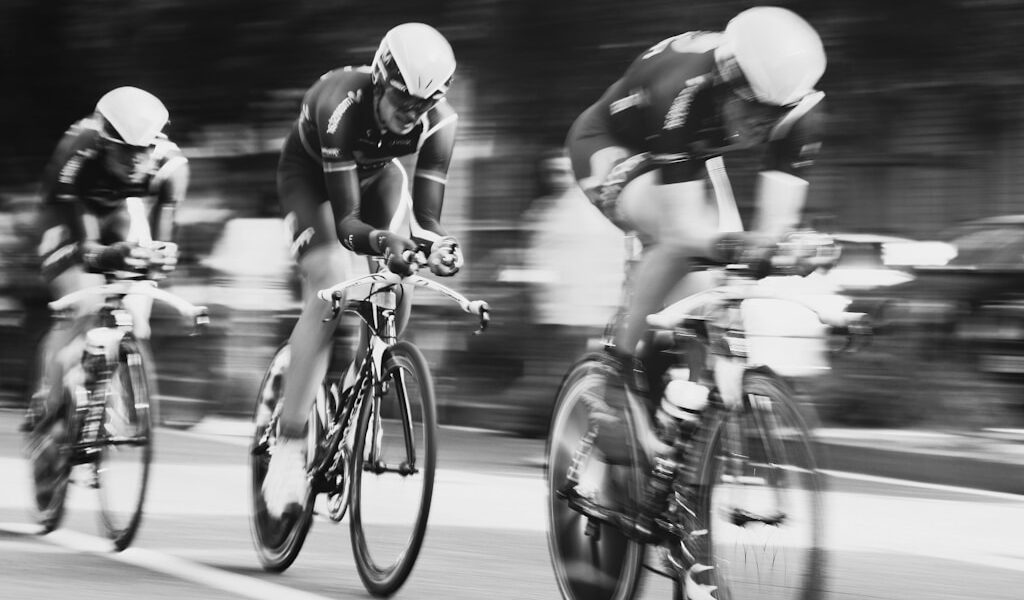
Host cities design courses that show off their landscapes, and some have been absolutely iconic. London 2012 used Box Hill. Rio had that brutal coastal highway with crosswinds. Tokyo’s Fuji course was a climbing test that shattered the field. The time trial course balances technical turns with long power sections, and the aerodynamic equipment riders use now makes it look like something from a science fiction movie.
Mountain Biking
Cross-country mountain biking joined the Olympics in 1996 and it’s gotten progressively more technical since. These aren’t gentle forest paths — Olympic XCO courses feature rock gardens that would make most recreational riders walk, steep drops, and root-covered sections where one bad line choice costs you thirty seconds.
Technical Challenges
The courses include features that genuinely make me nervous just watching on television. Rock gardens with basketball-sized obstacles. Drops where you’re airborne for a second or two. Climbs so steep riders sometimes spin out and have to dismount. Crashes happen constantly, and a mechanical issue can end your Olympic dream in seconds. Course preview rides are basically homework — knowing which line to take through each section can be the difference between a medal and tenth place.
The addition of short-track cross-country (XCC) has been a fantastic change. Twenty minutes of aggressive, bar-to-bar racing on a shortened course. It’s mountain biking’s answer to the sprint events on the track, and the TV coverage is much easier to follow than traditional XCO.
BMX Events
BMX racing is pure adrenaline. Eight riders drop into a course together, hitting jumps, berms, and rhythm sections at genuinely scary speeds. Races last about 30-40 seconds and anything can happen. Contact, crashes, last-gate passes — it’s all fair game.
BMX freestyle joined the Olympic lineup more recently, and the tricks these athletes throw down are just absurd. Backflips, 360s, combinations I can’t even name. It brought a completely different energy to the cycling program.
Youth Appeal
BMX connects with demographics that traditional road cycling struggles to reach. The action-sports vibe, the social media clips, the younger athletes — it all works. Some of the most-shared moments from recent Olympics have come from the BMX venue. I’m apparently one of those road cyclists who gets completely sucked into watching BMX when the Olympics roll around, and honestly that crossover interest works for me while my usual cycling content sits unwatched.
Olympic cycling spans an incredible range — from the tactical chess of track sprinting to riders hurtling down rocky mountainsides on mountain bikes to BMX athletes defying gravity. There’s genuinely something for every kind of cycling fan, and the four-year wait between Games just makes it all more special when it finally arrives.