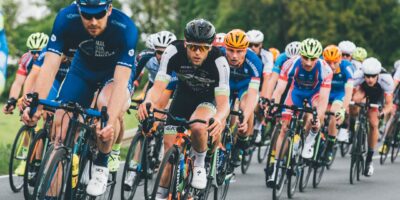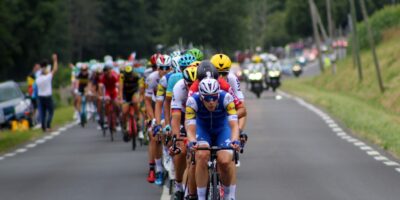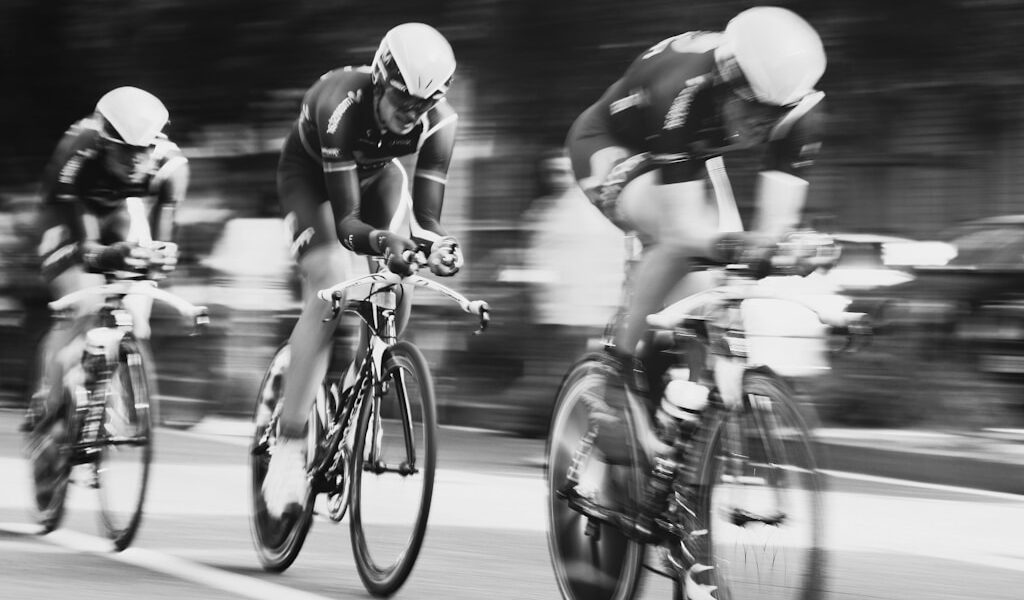
Experience the Thrill of the Bike Event Today
Bike events have gotten complicated with all the corporate sponsorships and fancy tech flying around. As someone who has ridden in everything from tiny hometown charity rides to massive century events, I learned everything there is to know about what makes a great cycling event tick. Today, I will share it all with you.
Look, there’s something about rolling up to a start line surrounded by hundreds of other riders that just never gets old. Whether you’re clipping in for the first time or you’ve got thousands of miles in your legs, these events have a way of pulling everyone together. I still remember my first organized ride — I showed up with a borrowed helmet and zero idea what a “SAG wagon” was. Now? I’m the guy yelling encouragement at nervous first-timers.
Getting Signed Up
Probably should have led with this section, honestly. Show up early to the check-in area. Like, earlier than you think. Bring your registration confirmation email and a valid ID. If you haven’t registered yet, some events allow on-site sign-ups depending on availability, but honestly, don’t gamble on it. Pre-register online and save yourself the stress. I’ve seen people turned away at the gate and it’s a bummer.
Picking Your Route
Most events break things into tiers, and this one’s no different. The beginner route is usually a flat, scenic loop — around 10 miles — perfect for families and folks who just want to spin their legs and enjoy the scenery. Nothing wrong with that at all.
The intermediate route bumps things up to about 25 miles with a mix of flat stretches and some rolling hills. Solid workout without destroying you. This is where I’d steer most recreational riders who want a bit of a challenge but still want to smile at the finish.
Then there’s the advanced route. Fifty miles. Steep climbs. Fast descents. The kind of ride where you question your life choices on the third big hill but feel invincible at the top. If you’ve been training, go for it. If you haven’t… maybe save it for next year.
Safety Stuff You Actually Need to Know
Helmets are mandatory. Non-negotiable. I don’t care how cool you think you look without one — wear it. Volunteers and medics are stationed along the routes, which is reassuring when you’re grinding through mile 40 and your knee starts talking to you.
Follow the marshals’ directions. Stay hydrated. Take breaks. Watch for sharp turns, gravel patches, and narrow bridges — those are the spots where things go sideways fast. I once hit an unexpected gravel stretch while descending and, well, let’s just say I left some skin on the road that day. Lesson learned.
Bike Maintenance Before You Go
- Check tire pressure and inflate as needed. Proper pressure makes a huge difference in speed and puncture resistance. I run mine a little lower on wet days for extra grip.
- Inspect brakes and gears. Replace anything that’s worn out before the ride — you don’t want to discover a problem mid-descent.
- Lubricate the chain. A squeaky chain is the cyclist’s version of nails on a chalkboard.
- Check for loose bolts and tighten them. A rattling bike at 30 mph is genuinely terrifying.
What the Day Looks Like
Opening ceremony usually kicks off around 8 AM, then riders head out in staggered waves by route. Throughout the day there are workshops on bike maintenance, fitness, and nutrition for cyclists. The food stalls alone are worth hanging around for — there’s always someone selling something delicious near the finish line. Vendor tents have cycling gear too, which is dangerous for my wallet.
Learning from the Pros
Some of these events bring in professional cyclists and trainers for interactive sessions. They’ll talk training routines, mental prep, nutrition — all the stuff that separates weekend warriors from actual competitors. Ask questions. Seriously. These folks love talking about cycling and they’ll give you tips you can’t find in any YouTube video. I picked up a pedaling technique from a retired pro a few years ago that genuinely changed how I climb.
Meeting Your People
That’s what makes cycling events endearing to us riders — you’re surrounded by people who get it. The early mornings, the sore legs, the gear obsession. Share stories at the rest stops. Swap Strava handles. Some of my best riding buddies came from chance conversations at events like this. Building those connections leads to group rides, new routes, and honestly just more reasons to get on the bike.
Riding for Something Bigger
A lot of riders show up to support charitable causes, and this event partners with local charities focused on community development and health. There’s an extra layer of motivation when you know your suffering on that last hill is actually doing some good. Makes the post-ride beer taste even better.
What to Bring and Wear
Dress for the weather but layer up — mornings can be chilly even if the afternoon’s going to be warm. Pack a rain jacket if there’s any chance of showers. You’ll want a water bottle cage on your bike (obvious, but you’d be surprised), plus a multi-tool, spare tube, and a mini pump. A small first-aid kit doesn’t hurt either. I also always toss a few energy gels in my jersey pocket. They taste awful but they work.
Stick Around After the Ride
If you’re not local, explore the area. Parks, museums, markets — there’s usually good stuff nearby. And honestly, wandering around on wobbly post-ride legs while eating an ice cream cone is one of life’s simple pleasures.
Be Good to the Trail
Use the disposal stations for recyclables and trash. Don’t litter the routes. We want to keep riding these roads and trails, and that means leaving them cleaner than we found them. It’s not complicated — just pack out what you pack in.
After-Party Vibes
The post-ride gatherings are where the magic happens. Music, food, and a bunch of tired cyclists swapping war stories from the day. It’s the reward for all those miles and all that effort. Stick around for it if you can.
Help Make the Next One Better
Fill out the feedback surveys after the event. I know it seems tedious, but organizers actually read that stuff and it shapes future events. Follow them on social media and get on the mailing list so you’re first to know when registration opens again. These events keep getting better because riders speak up about what works and what doesn’t.
Recommended Cycling Gear
Garmin Edge 1040 GPS Bike Computer – $549.00
Premium GPS with advanced navigation.
Park Tool Bicycle Repair Stand – $259.95
Professional-grade home mechanic stand.
As an Amazon Associate, we earn from qualifying purchases.