How to Join a Cycling Event
Signing up for your first cycling event has gotten complicated with all the different platforms, categories, and registration systems flying around. As someone who has done everything from local charity rides to competitive road races, I learned everything there is to know about navigating the process. Today, I will share it all with you.
Finding the Right Event for You
Probably should have led with this section, honestly. Before you can join an event, you have to actually find one that makes sense for where you are as a rider. There are road races, mountain bike events, charity rides, tours, gran fondos — the list goes on. Each one has a different vibe and a different level of commitment.
I stumbled into my first organized ride because a friend dragged me to a charity century. I was way underprepared and it humbled me, but it also got me hooked. Start by poking around cycling event websites, local bike shop bulletin boards, and social media groups for your area. Pay attention to the distance, terrain, and whether it’s competitive or more of a “ride at your own pace” situation. Your local cycling club is another goldmine — those folks always know what’s coming up on the calendar.
The Registration Process
Once you’ve picked your event, head to the official website and register. Most events use online platforms these days, so the process is pretty straightforward — fill out your details, pick your category, and pay the fee. Some popular events sell out fast, so don’t sit on it. I’ve missed out on a few rides because I waited too long to pull the trigger.
Look for early bird pricing. It can save you a decent chunk of money, especially for the bigger events. And read the fine print on refunds and transfers. I’ve had to bail on two events due to injury, and both times I was glad I understood the cancellation policy ahead of time.
Getting Your Bike and Gear Sorted
Your bike needs to be in solid working order. I’m talking brakes that actually stop you, tires without cracks in the sidewall, and gears that shift cleanly. If you’re not confident doing a full check yourself, take it to a shop for a tune-up. It’s a small investment that prevents big headaches on event day.
Don’t forget the accessories. Water bottle cages are a must. Lights if there’s any chance of low-light riding. A small toolkit with a spare tube, tire levers, and a mini pump or CO2 inflator — because flats happen at the worst possible times.
For your personal gear: a helmet that fits properly is non-negotiable. Cycling gloves take the edge off handlebar vibration. Padded shorts are a lifesaver on anything over 30 miles. Sunglasses keep debris and bugs out of your eyes. And wear moisture-wicking fabrics, not cotton. Cotton gets heavy and uncomfortable once you start sweating.
Training Smart
That’s what makes proper training endearing to us event riders — it’s the difference between finishing with a smile and finishing in agony. Or not finishing at all.
Build a training plan that ramps up gradually. Long rides on weekends to build endurance. Some interval work during the week for speed and power. Hill repeats if the event has climbing. And rest days — actual rest days where you don’t ride. Your body gets stronger during recovery, not during the workout itself.
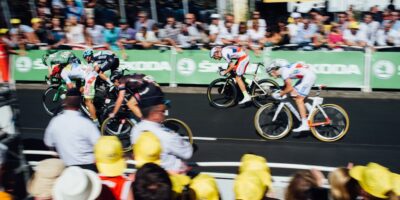
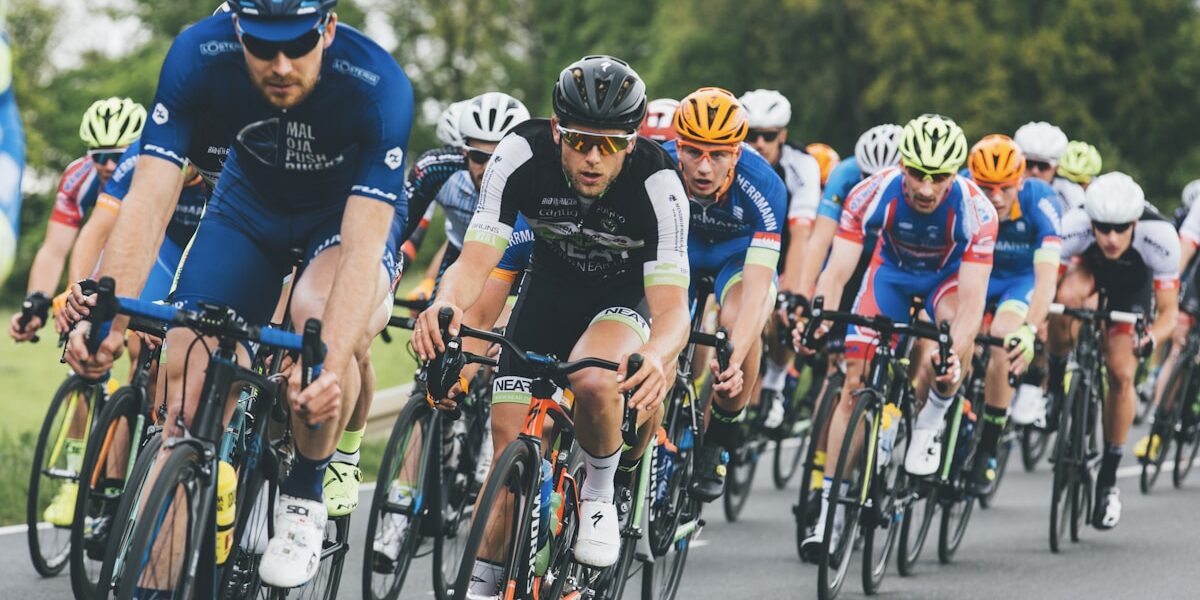
Group rides are fantastic for getting used to riding in a pack. You learn drafting, communication, and how to handle the unpredictability of having other riders around you. My bike handling improved dramatically once I started doing weekly group rides.
Know the Rules and Ride Etiquette
Every event has its own rulebook. Read it. Some events are strict about drafting, some have mandatory helmet rules (most do), and others have specific traffic regulations you need to follow. Ignorance isn’t an excuse when a marshal pulls you aside.
Basic riding etiquette goes a long way too. Signal your turns and stops. Hold your line — don’t weave around. If you’re passing someone, call it out. Don’t draft off a stranger without asking. And if someone’s having a mechanical or looks like they’re in trouble, at least ask if they need help. We’re all out there together.
Travel and Logistics
If the event isn’t in your backyard, you’ll need to plan for travel. Driving with a bike rack is the easiest option for most people. For flying to a distant event, bike bags and cases protect your ride, but budget extra for airline fees. Some services will ship your bike to the venue if you’d rather skip the hassle.
Book your hotel early. Popular cycling events fill up local accommodations fast, and you don’t want to be stuck 45 minutes from the start line on race morning. I like to arrive the day before so I can check in, ride the first few miles of the course if possible, and get a proper night’s sleep.
Your Pre-Ride Checklist
I’m a checklist person. It keeps me from forgetting things when my brain is scattered with pre-event excitement. Here’s what should be on yours:
- Bike and helmet
- Registration confirmation or race number
- ID and emergency contact info
- Water bottles filled and snacks packed
- Extra tube, repair kit, and pump
- Phone with emergency numbers saved
- Cash or card for emergencies
Event Morning
Get there early. Like, annoyingly early. You need time to park, pick up your packet if you haven’t already, use the bathroom (the lines get long, trust me), and warm up. Eat a light meal two to three hours before the start — something familiar that you’ve eaten before rides before. No experiments on event day.
Do a short warm-up ride to get your legs moving. Some light stretching. Find your start position, take a deep breath, and enjoy the nervous energy. That pre-ride buzz never gets old, even after dozens of events.
During the Ride
Stick to what you know. Don’t try new foods, new gear, or new pacing strategies on event day. Ride your own ride. Eat and drink at regular intervals — don’t wait until you’re starving or parched. Use the aid stations but carry backup nutrition.
Keep your head up and stay aware. Respect the other riders, follow the course markings, and keep a positive attitude even when your legs are screaming. The middle miles are always the hardest mentally. Just keep pedaling. The finish line always comes eventually.
After the Finish
Cool down. Stretch. Eat real food. Drink lots of water. Most events have a post-ride party or gathering — go enjoy it. Talk to other riders. Compare stories. Complain about that one hill together. It’s part of the experience.
Take some time afterward to recover properly. Your body needs it. And jot down some notes about what went well and what you’d do differently. That kind of reflection makes you a better rider for the next one.
Connecting With the Community
One of the best things about cycling events is the people you meet. Swap contact info. Join local clubs. Follow event organizers for next year’s dates. Share your photos and your story. The cycling community is genuinely one of the most welcoming groups in sports, and every event you do expands your network of riding buddies and friends.
Your first event won’t be perfect. Mine definitely wasn’t. But it’ll be the one that gets you hooked. Sign up, show up, and ride. That’s really all there is to it.
Recommended Cycling Gear
Garmin Edge 1040 GPS Bike Computer – $549.00
Premium GPS with advanced navigation.
Park Tool Bicycle Repair Stand – $259.95
Professional-grade home mechanic stand.
As an Amazon Associate, we earn from qualifying purchases.