Why Smart Riders Still Blow Up at Mile 70
Century riding is surrounded by more bad advice than good at this point. As someone who blew up spectacularly at my first 100-miler — and then spent three years obsessing over why — I figured out most of what you need to know.
The moment your wheels leave the parking lot, adrenaline floods everything. Forty other cyclists roll out around you. The pace feels honest — easy, even. You’ve got twelve weeks of training in your legs. Your bike is dialed. Weather is perfect. This is exactly the trap. This is how 40% of first-time century riders end up walking their bikes at mile 73 wondering what went wrong.
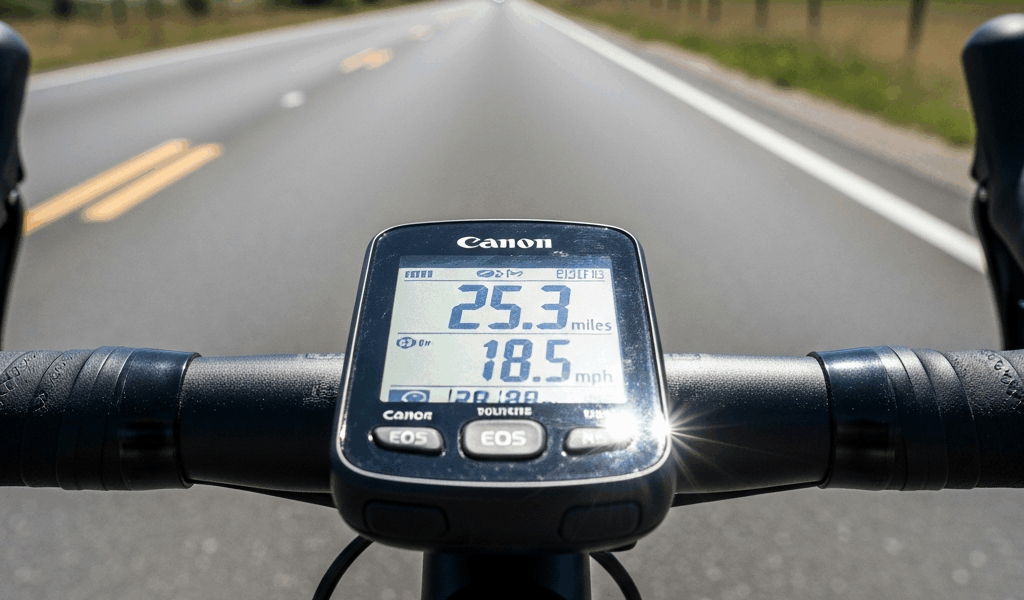
Going out 10 to 15 percent too hard in the first 40 miles doesn’t cost you 10 to 15 percent at the end. It costs you double. Glycogen depletes faster than your body can signal the problem. Metabolic waste accumulates in your legs faster than a sustainable pace could clear it. Then somewhere between mile 65 and mile 75 — and it’s almost always that window — your body stops cooperating entirely. Legs go wooden. Pedaling becomes a conscious decision instead of a rhythm. You glance down at your Garmin and you’ve dropped from 180 watts to 140 while your heart rate is climbing. That’s a bonk. Real-time, full collapse.
I learned this the hard way in 2019 at the Valley Vine Century outside Sacramento. Rode the first 35 miles with a group averaging 19 mph. Felt incredible — genuinely thought I’d trained into some new tier of fitness. By mile 72, I was alone, rationing the two GU gels I’d stuffed in my back jersey pocket, trying not to think about the thirteen miles still ahead. My fitness wasn’t the problem. Pacing was.
The Only Pacing Rule You Need for the First Half
Here it is: if you feel good at mile 30, you are going too fast.
Write that on your stem tape with a Sharpie. Seriously. This rule cuts through the adrenaline, the favorable tailwind, the social pressure of a faster group rolling past. Your fresh legs have no idea what sustainable actually feels like. Your brain doesn’t either. But your gut — your gut knows.
A sustainable century pace is RPE 4 out of 10 for the first 50 miles. And there’s more depth to it than that simple definition suggests. It’s “noticeable effort, could do this all day” effort — breathing elevated enough that you notice it, but you can finish a full sentence without gasping. On a power meter, that’s Zone 2, roughly 55 to 75 percent of functional threshold. On a heart rate monitor, call it 65 to 80 percent of max HR. The exact number is less important than the feeling.
Practically: someone rolls up beside you and asks where you’re from. You answer. Normal voice. No weird gasping between words. If your answer sounds like you’re giving a speech while climbing a flight of stairs, back off.
The hardest part isn’t knowing this. It’s the first hour, when your legs feel like they could push 22 mph instead of 17. The group you started with is 200 yards ahead and looking strong. This is precisely when you back off. Ride alone if you have to. Shift to an easier gear. Let the group go. Your ego wants to bridge that gap — your ego is also what kills century rides.
This part deserves more attention than it usually gets. The first 20 miles are where 90 percent of the damage gets done.
Mile-by-Mile Checkpoints to Keep Yourself Honest
Use these four checkpoints to recalibrate. Actually pause and assess at each one — don’t just roll through hoping you’re on track.
Mile 25
How you should feel: Fresh. Genuinely energized. Like you could ride another hundred.
Warning signs: Breathing is labored on the flats. Legs feel heavy. You’re dropping riders who started faster than you.
Action if needed: Ease off immediately. You’re one quarter of the way in and already borrowing from the back half. Drop 0.5 to 1 mph and commit to it — not just for a few minutes.
Mile 50
How you should feel: Strong but noticeably warmed up. Hunger setting in. Nervousness gone, novelty gone too — just riding now.
Warning signs: Already fatigued. Legs aren’t springy. You’ve bonked before and this is starting to feel familiar. Eating constantly and still feeling empty.
Action if needed: Real food — not just gels. A banana. A PB&J on white bread from the rest stop. Something with actual carbs and fat. Drink 8 to 10 ounces of fluid. Back off pace by 1 to 1.5 mph for the next 10 miles. This is recovery time, not cruising time.
Mile 75
How you should feel: Tired but mentally engaged. Legs have limits now, but they’re still listening. The finish is a real thing.
Warning signs: Everything hurts. Legs feel like jello. You’re eating and not recovering. Twenty-five more miles sounds impossible. That’s bonk territory — not metaphor, actual bonk.
Action if needed: Stop for 10 minutes at the next rest stop. Sit down — actually sit on something that isn’t your saddle. Eat real food with salt: a sandwich, pretzels, whatever they’ve got. Drink a full bottle. The break will cost you less time than suffering through the next 10 miles at half speed. No shame in a rest stop at mile 75.
Mile 90
How you should feel: Tired but closing in. Energy lower, brain still engaged. The finish is a real thing now — not theoretical.
Warning signs: Can’t stay focused. Numbers on the Garmin Edge 530 aren’t processing correctly. You’ve stopped caring about pace and you’re just trying to survive the next pedal stroke.
Action if needed: One more gel or half a bar. Skip the rest stops — you’re too close. Spin the easiest gear that still moves you forward. Draft if there’s a group. At mile 90, acceptance matters more than effort. Get to the line.
Fueling and Pacing Are the Same Problem
Here’s what gets lost in most century training plans: bonking feels like a fitness problem. It’s almost never a fitness problem. You blow up because glycogen ran out — not because your aerobic capacity fell off a cliff. And glycogen ran out because you went too hard early and never ate back to even. That’s it.
Simple rule: eat every 45 minutes, regardless of hunger. Your hunger signals are completely unreliable on a century. They’ll tell you you’re fine when you’re already 200 calories into a deficit. Set a timer on your Garmin. Every 45 minutes, eat something. A gel. A Clif Bar. A slice of the surprisingly good pizza at the mile 60 rest stop. Carbs. Just carbs.
Tie this to your checkpoints. At mile 25 — one feeding. Mile 50 — three feedings. Mile 75 — five feedings. Mile 90 — seven feedings. This creates a rhythm. Takes the decision-making out of it. Keeps blood sugar stable, pace sustainable, legs turning over. That’s the whole system.
I happen to be terrible at remembering to eat under effort — Garmin alerts work for me while phone reminders never do. Take it from me. Last October I rode a century on four gels and stubbornness. Made it to mile 82 before my legs literally stopped turning the pedals. The following spring, same route, same bike — I ate a gel every 45 minutes, rode a 20-minute slower pace, and finished with enough energy to argue about dinner. Same rider. Different fueling, different outcome.
What to Do If You Realize You Went Out Too Hard
You’re at mile 40. You feel it. Pace has dropped. Legs are tired when they shouldn’t be yet. Now what?
Slightly Over Pace (Mile 40–50)
You’re recoverable. Back off 0.5 to 1 mph — not gradually, now. Eat something substantial within the next 10 miles, not just a gel. Ride with someone slower if a slower group is nearby and let their rhythm regulate yours. You’ve got 50-plus miles left and most of it is still in the manageable zone. Reset here and you finish strong. Or at least upright.
Clearly Cooked (Mile 55–70)
Damage control. Drop to RPE 2 to 3. You’re riding for finishing now — the race version of this day is over. Stop at the next rest stop and eat real food. Sit for 10 minutes. You’ll feel sorry for yourself. That’s normal — it’s also temporary. The last 30 miles will be slow and uncomfortable. They’ll also get done. You might find a second wind somewhere around mile 75 when you’re mentally past the worst of it. It’s the kind of thing that gluttons, honestly tend to understand instinctively — it’s always worse and then weirdly okay again.
Full Bonk (Mile 70+)
Legs stopped responding a few miles back. Pedaling feels like moving through wet concrete. Maybe dizzy. Maybe irritable. Probably both. This is a bonk — accept it. Eat immediately: carbs and salt together, not just one or the other. Stop if you need to stop. Walk your bike for a mile. Most bonks reverse within 20 to 30 minutes of actually eating enough — not nibbling, actually eating. You’ve got 10 to 30 miles left depending where you are. They’ll feel long. They’ll also be doable if you stop trying to race them.
None of this is failure. This is what learning a new distance feels like. Frustrated by a bonk at mile 73, I started obsessing over fueling data and pacing strategy using a $12 notebook and a Garmin Edge I’d bought secondhand. That obsession eventually evolved into the checkpoint system riders who’ve used it know and rely on today. Every rider who finishes a century either paced themselves well or learned exactly what too hard feels like. Either way — you finish. You know something real about yourself afterward.
The goal isn’t to feel amazing at the finish line. The goal is to get to the finish line. Everything else is extra.

Stay in the loop
Get the latest cycling events today updates delivered to your inbox.