The Tour of Flanders — De Ronde van Vlaanderen — has gotten complicated with all the route changes, power meter debates, and modern race tactics flying around. As someone who has watched every edition for as long as I can remember and traveled to Belgium to stand on the Oude Kwaremont in the freezing rain, I learned everything there is to know about this race. Today, I will share it all with you.
Why Flanders Hits Different
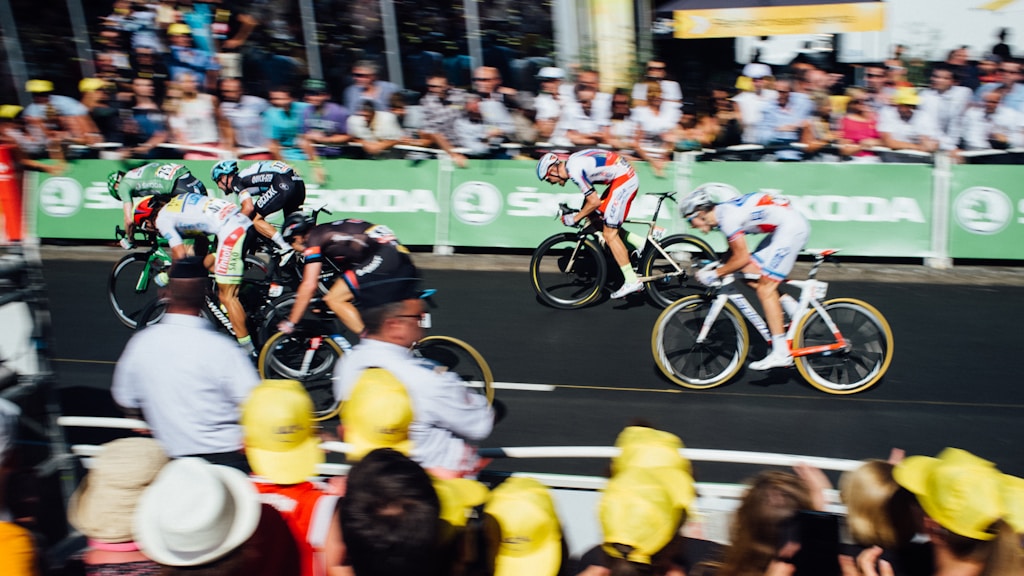
I need you to understand something about Flanders. This isn’t just a bike race. In Flemish Belgium, cycling is woven into the culture the way football is in Brazil or baseball used to be in the American Midwest. The race passes through small towns and villages where literally everyone comes out. Grandparents in lawn chairs, kids waving flags, guys who clearly skipped work and aren’t hiding it. The atmosphere is unlike anything else in sports. I’ve been to Tour de France stages and World Cup matches, and nothing compares to standing on a Flemish hillside on the first Sunday in April.
The Hellingen — Short, Steep, and Savage
Probably should have led with this section, honestly. The defining feature of Flanders is the hellingen — these short, brutally steep climbs scattered across the route. The Koppenberg, Oude Kwaremont, Paterberg. Names that make pro cyclists grimace. Most of them are under a kilometer long, but they hit gradients that would make a mountain goat think twice. And then there’s the cobbles. Many of these climbs are cobblestoned, which means you’re fighting for traction while your legs are screaming and your bike is bouncing underneath you. It’s controlled chaos.
The Climbs That Break Races Open
Each climb has its own personality. The Oude Kwaremont stretches over two kilometers with gradients that keep changing on you — just when you think you’ve found a rhythm, it kicks up again. The Paterberg is the opposite approach: short, violent, over 20% gradient, and it’s done in under a minute. But that minute can end your race if you’re not positioned right.
The Koppenberg is the one that sticks in my memory. Rough cobbles, absurdly steep, and so narrow that if someone in front of you stops or crashes, you’re walking. I’ve seen footage of entire groups of pros forced to dismount and run with their bikes. In a professional race. That’s Flanders.
The Muur — Even When It’s Not on the Route
The Muur van Geraardsbergen has this mythical status in Flemish cycling. The chapel at the top, the narrow cobbled road lined with screaming fans — it’s the most photogenic climb in all of cycling. When race organizers removed it from the course a few years back, you’d have thought they’d committed a crime against humanity. Even when it’s not officially on the route, riders still train on it. It’s that iconic.
The Tactical Chess Match
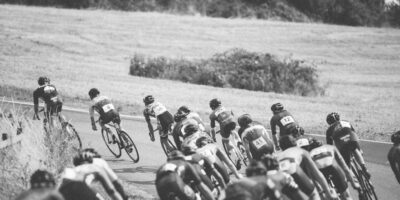
Flanders isn’t won on fitness alone. Positioning is everything. You need to be near the front when the hellingen start stacking up in the final 60 kilometers, because once the peloton shatters, there’s no getting back. The best Flanders riders know exactly which climb to attack on. Go too early and you’ll be caught. Wait too long and someone else makes the move.
That’s what makes the Tour of Flanders endearing to us cycling obsessives — it rewards racing intelligence as much as raw power. The riders who win this race aren’t just the strongest. They’re the smartest. They read the race, they manage their energy, and they attack at the precise moment that breaks everyone else.
Why Teams Actually Matter Here
In a lot of one-day races, it’s every man for himself in the finale. Flanders is different. You need your teammates until deep into the race — chasing breaks, keeping you out of the wind, moving you up through the peloton before critical climbs. A strong team can shelter their leader through 200 kilometers of stress so he arrives at the Oude Kwaremont with fresh legs while his rivals have been fighting for position all day. I’ve seen races won and lost based on teamwork alone.
The Fans Make This Race
Flemish cycling fans are a different breed. They know every rider in the peloton by sight. They understand team tactics. They can tell you the gradient of every climb by heart. The days around De Ronde turn into a full festival — exhibitions, cyclosportive events for amateurs, beer tents (obviously, it’s Belgium). People fly in from all over the world for this.
The Tour of Flanders is everything I love about cycling compressed into a single day. History, terrain, tactics, suffering, and a crowd that lives for it. Winning here defines a career. Ask any classics rider what they’d trade for a Ronde victory and the answer is “pretty much anything.” That tells you everything you need to know.