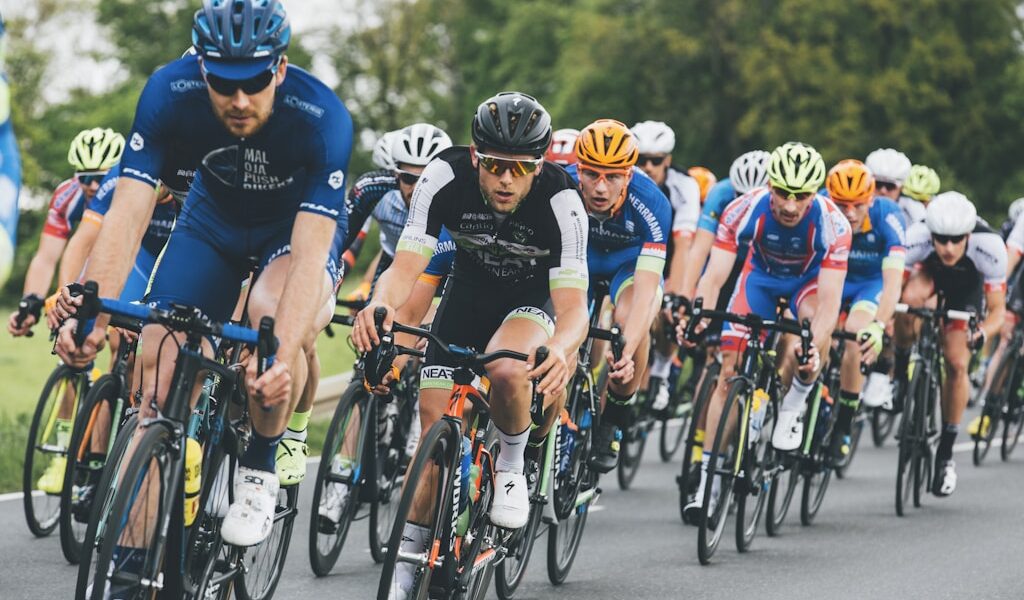
Century ride training has gotten complicated with all the plans and apps flying around. As someone who went from struggling at 30 miles to finishing three centuries in one season, I learned everything there is to know about building toward 100-mile rides. Today, I will share it all with you.
What Makes Centuries Different
A hundred miles asks something different from your body than shorter events. Criteriums reward explosive power. Time trials need sustained threshold output. Centuries demand efficient fat burning, dialed hydration, and honestly, the mental stubbornness to keep pedaling when every instinct says stop.
Here’s the thing most riders underestimate: training takes longer than you think. If you’re comfortable at 50 miles right now, plan for 12-16 weeks of structured prep. Below 30 miles currently? Budget 20 weeks or more. Don’t rush this – that’s how people get hurt.
The good news? Centuries don’t require exceptional fitness. Average cyclists finish them regularly. What separates successful century riders from those who suffer or abandon is preparation quality, not genetic talent.
Weeks 1-6: Building the Base
The first phase builds your aerobic engine. Resist any temptation to jump into long rides immediately. I made that mistake my first attempt, was hobbling around with knee pain by week 4, and had to scrap the whole plan.
Weekly Structure
Ride four to five days per week. Three rides at recovery to moderate pace, heart rate below 75% max. One ride each week extends duration without pushing intensity. Maybe one optional session with brief intensity work if you’re already reasonably fit.
If your longest current ride is 25 miles, your first long ride should be 30 – a 20% bump. Add five miles every two weeks after that. Never increase more than 10% from the previous week. Boring? Yes. Effective? Absolutely.
Recovery Actually Matters
Take at least one true rest day weekly. Not easy spinning, not yoga, not strength work. Complete rest. Adaptation happens during recovery, not during training. Skip this and you’re sabotaging the work you’ve done.
Sleep becomes a training variable. I’m apparently one of those people who needs eight hours minimum during heavy training, and my body crumbles on six hours while lighter training weeks feel fine on less. Find your number and protect it.
Weeks 7-12: Building Real Endurance
With base established, the focus shifts to duration and event-specific prep. Long rides become the training centerpiece now.
The Long Ride
By week seven, your weekly long ride should approach 50 miles. Increase five to seven miles every two weeks, reaching 75-80 miles by week twelve. Some coaches want one 80-90 mile ride before event week; others say two 70-milers give similar adaptation with less recovery cost. I’ve done both and honestly couldn’t tell the difference.
Practice nutrition on every long ride. By race day, you should know exactly which foods your stomach tolerates, how often to eat, and how much fluid you need in different temperatures. Nothing should be new on event day.
Match Your Terrain
Hilly century? Dedicate one ride weekly to hill repeats. Twenty times up a three-minute climb in a 90-minute session builds climbing fitness efficiently.
Flat century? Train on flat terrain. Practice maintaining higher cadence than feels natural – 90-95 RPM reduces muscular fatigue over 100 miles compared to grinding 80 RPM.
Nutrition: Where Most Centuries Fall Apart
Probably should have led with this section, honestly. Nutrition makes or breaks century attempts. You can survive on insufficient training, but you cannot overcome glycogen depletion. Your fuel plan deserves as much attention as your physical prep.
The Calorie Math
At moderate century pace, expect to burn 3,500-5,000 calories depending on body weight and terrain. Your body stores roughly 2,000 calories of accessible glycogen. The math is clear: you must eat during the ride.
Target 200-300 calories per hour, starting within the first 30 minutes. Waiting until you feel hungry means you’re already behind, and catching up gets harder as the event continues.
What to Actually Eat
First three hours, almost anything works: bars, gels, chews, real food, sandwiches, whatever. Personal preference matters more than specific products.
After three hours, many riders find solid food hard to digest. Shift toward gels and liquid calories as things progress. If solids still work for you, keep eating them.
Electrolytes become critical in heat. A hot century might need 1,500-2,000mg of sodium – way more than sports drinks provide. Carry salt capsules as backup.
Hydration Without Overdoing It
Fluid needs vary dramatically. Rough starting estimate: 20-28 ounces per hour in moderate temps, 28-40 ounces in heat. Watch your urine color at rest stops – anything darker than pale yellow means drink more.
Overhydration causes problems too. Hyponatremia (dangerous sodium dilution) happens when you drink excessive plain water without electrolytes. Urinating frequently with clear output? Reduce intake or add electrolytes.
Equipment Prep That Prevents Disasters
Schedule bike service two to three weeks before the event – not the week before. This timing reveals issues during training rides rather than at mile 50.
Minimum service: brake adjustment, drivetrain cleaning, tire inspection for wear or debris, wheel truing, headset and bottom bracket check, bolt torque verification.
Tires and Saddle
For non-competitive centuries, prioritize puncture resistance over weight. A tire that saves three watts but flats three times isn’t helping. Train on your event tires for several weeks – new tires sometimes harbor debris that causes early-life flats.
Your saddle either works for 100 miles or it doesn’t. If your current saddle hurts at 60 miles, change saddles now. Do this at least six weeks before to allow adaptation time. Quality shorts matter too – chamois deteriorates over time.
Race Week: The Final Seven Days
Reduce total riding by 40-50% from your peak week. Keep some intensity – a few short bursts keep your cardiovascular system responsive – but eliminate truly hard efforts. Save everything for event day.
Your last long ride should happen seven to ten days before the century. If you’ve trained appropriately, you’re ready. Additional long rides now provide no benefit and risk glycogen depletion or injury.
The Night Before
Early dinner heavy on carbs with moderate protein. Zero alcohol – even small amounts hurt sleep quality and next-day hydration. Set multiple alarms if anxiety might prevent deep sleep.
Lay out everything you need in the order you’ll need it. Race-morning mental capacity is limited; minimize decisions required before you start riding.
Event Day Execution
That’s what makes execution endearing to us century riders – the less improvisation required, the better your chances of finishing strong.
Pacing
Start conservatively. Mass start excitement and fresh legs tempt unsustainable early paces. Heart rate that feels comfortable at mile 10 may become brutal by mile 60.
Useful metric: if you couldn’t hold a conversation at your current effort, you’re going too hard for the first half. Save hard efforts for when you can see the finish.
When Things Go Wrong
They will. Mechanical problems, nutrition errors, motivation failures happen on nearly every century. How you respond determines whether you finish.
For mechanicals beyond your skills, wait for support vehicles or call the event hotline. Help usually arrives within 30 minutes.
If you bonk, slow dramatically, consume whatever calories you can access, and wait. Even severe bonks often resolve enough to finish at reduced pace.
When motivation fails, shorten your mental horizon. Instead of 40 remaining miles, focus on the next mile, the next aid station, the next landmark. Breaking the challenge into immediate objectives makes continuation possible when the full distance seems overwhelming.
After the Finish
Within 30 minutes, eat a recovery meal with carbs and protein. A 3:1 or 4:1 ratio of carbs to protein optimizes glycogen restoration. Real food works fine – a sandwich, chocolate milk, whatever appeals.
Keep moving gently for 15-20 minutes after finishing. Light spinning or walking prevents blood pooling. Then rest completely.
No hard training for at least one week post-century. Even if you feel recovered, micro-damage to muscles needs time to heal. Premature return to hard training often causes injuries that appropriate rest would prevent.
And celebrate. You did something significant. Most people will never attempt it. That discipline extends well beyond cycling.
