The Pull of Pedaling for Purpose
Charity cycling events have gotten complicated with all the fundraising platforms and competing causes flying around. As someone who’s ridden six charity events over four years – from a local 25-miler to a week-long AIDS/LifeCycle odyssey – I learned everything there is to know about combining bikes with fundraising. Today, I will share it all with you.
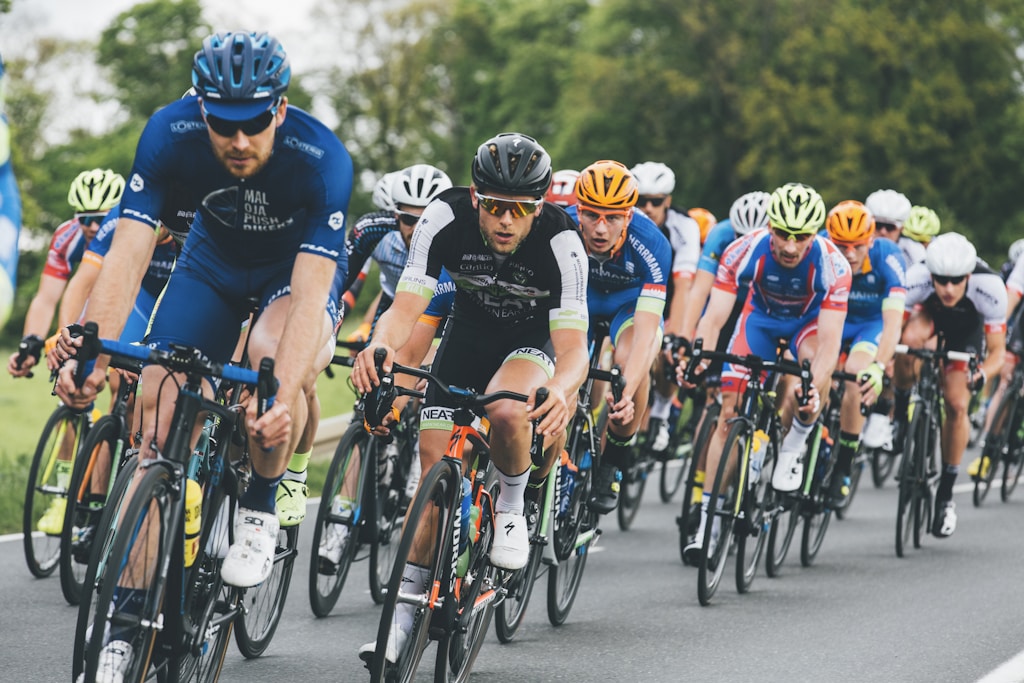
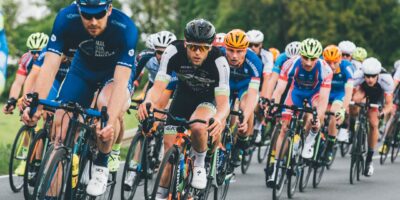
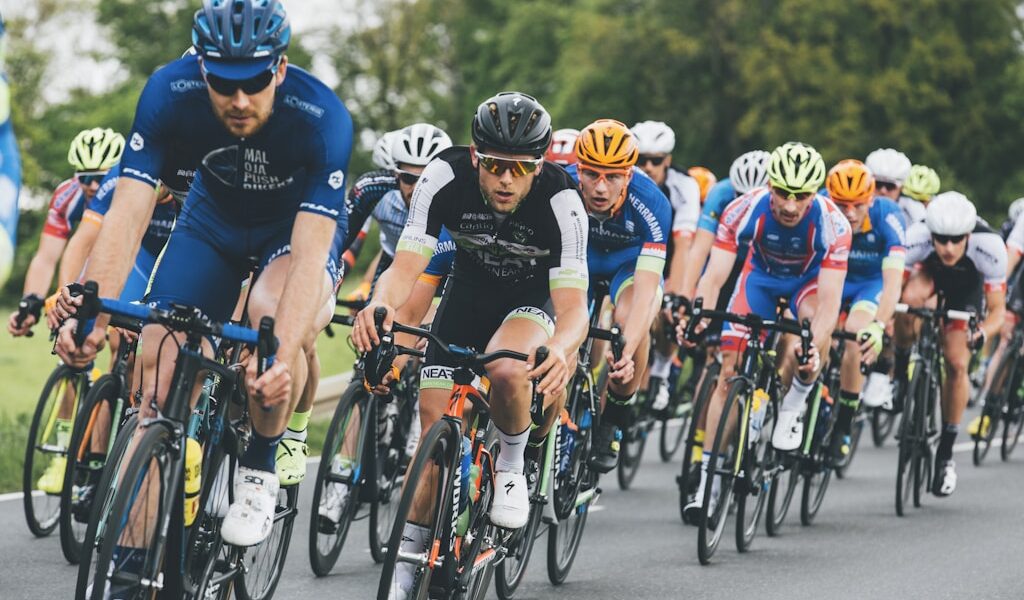
The Pelotonia in Columbus blew my mind when I first learned the numbers. Since 2008, this single event raised over $256 million for cancer research at Ohio State. Every dollar goes directly to research because corporate sponsors cover operations. Riders choose 25 to 180 miles, and people fly in from everywhere to participate.
The Big Names That Move Serious Money
Pan-Mass Challenge in Massachusetts claims the title of America’s most successful athletic fundraising event – over $900 million for Dana-Farber Cancer Institute since 1980. The two-day ride from Sturbridge to Provincetown requires each of the 6,500 cyclists to raise minimum $4,000. That’s a serious commitment.
What makes PMC work is the depth of connection. Families touched by cancer ride in honor of loved ones. I talked to a guy in 2023 who’d done it 22 years straight, originally for his mother, now for two friends diagnosed since. Those stories create fundraising machines.
AIDS/LifeCycle takes commitment to another level entirely. Seven days. 545 miles. San Francisco to Los Angeles. Minimum $3,500 fundraising. About 2,000 cyclists make the journey each year, and the week transforms participants into a traveling community. Roadside camps, shared meals, nightly entertainment, bonds that last years beyond the ride.
I’m apparently one of those people who cried at the opening ceremonies and cried again crossing the finish line, and honestly that emotional investment works for fundraising while a detached “I’m doing a bike ride” message never lands the same way.
Starting Smaller Makes Sense
Not every charity ride demands months of training or thousands in fundraising. Local events offer accessible entry points. Hospital foundation rides often require $50-$100 minimums. Community bike-a-thons sometimes have no minimums at all. Many events offer family-friendly distances of 10-25 miles welcoming casual cyclists.
When selecting an event, investigate financial transparency. Reputable organizations publish overhead percentages and specify where funds go. Ask whether registration fees count toward your minimum or come on top of it. Read the fine print before committing.
Fundraising That Actually Works
Probably should have led with this section, honestly. Successful charity cyclists treat fundraising as seriously as training. Start early – three to four months before the event works well. Set a personal goal 20% above the required minimum.
Create a compelling personal page explaining why this cause matters to you. Include specific stories when appropriate. “I’m riding 100 miles” doesn’t move people. “I’m riding 100 miles because my sister beat breast cancer last year and I want to help others get the same chance” gets donations.
The $100 Donor Strategy
This changed my fundraising completely: instead of asking 50 people for $20, identify 10 people likely to give $100 and approach them first. Early large donations create momentum that encourages others. People give more when they see others have already committed.
Social media works best when paired with direct asks. A post might generate a few random donations, but personal emails or texts to specific individuals yield significantly higher response rates. Don’t just broadcast – reach out directly to the people most likely to care.
Beyond Money: The Community Effect
That’s what makes charity rides endearing to us cyclists – the community extends far beyond the event itself. Training groups form months in advance, bringing together riders who’d never otherwise meet. Many events host training rides, fundraising workshops, and pre-event gatherings that build connections before the main event.
The emotional intensity is different from regular racing. Riding alongside survivors. Seeing names of those lost displayed on jerseys. Crossing finish lines greeted by families you’ve helped. Participants frequently describe these rides as life-changing. I know I do.
People return year after year not just for the cycling but for the sense of purpose and belonging. The relationships built during training carry into regular riding life. Some of my closest cycling friends came from charity event training groups.
Getting Started
Research events supporting causes meaningful to you. Check fundraising minimums, training requirements, and dates. Register early – popular charity rides fill months in advance.
Then commit fully to both the training and the fundraising, understanding that both challenges are essential. The miles matter, but the dollars change lives. That combination makes charity cycling something unique in the sport.