GC, KOM, and Points: Stage Race Classification Explained
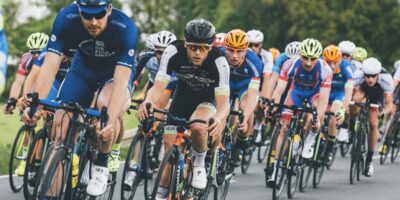
Understanding Stage Race Structure Stage races compress the complexity of cycling competition into multi-day formats where different rider types can excel on different days, yet...
The Team Time Trial: Synchronized Suffering Team time trials transform cycling from individual endurance test into coordinated group effort. Success requires not just individual strength...
The Philosophy of Age-Based Competition Cycling recognizes what other sports often ignore: competitive fires burn across lifespans. Age group racing allows 55-year-olds to compete against...
The Prize Ecosystem Cycling prizes range from multi-million dollar contracts for Grand Tour winners to participation medals for charity ride finishers. Understanding the prize landscape...
The Challenge of Mass Start Timing When 10,000 riders cross a start line over a 30-minute period and finish in random order hours later, determining...
The Invisible Machinery of Race Day When riders line up for a cycling event, they see start banners, course marking, and officials with clipboards. What...
The Volunteer Ecosystem Behind every cycling event stands an army of volunteers whose work enables racing to happen. From pre-dawn course setup to post-sunset equipment...
Why Post-Race Analysis Matters Race data contains lessons that feelings obscure. Your perception of a race—where you felt strong, where you struggled—often misaligns with what...
The First Two Hours: Immediate Recovery The 48-hour window following a race determines how quickly you return to productive training. Proper recovery is not passive...
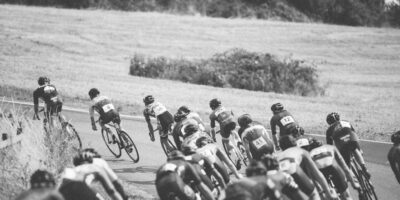
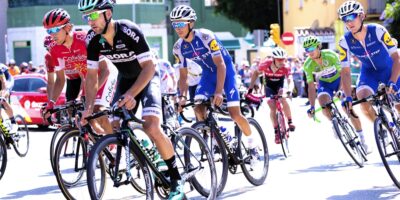
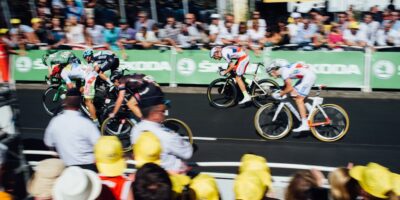
The Value of Race Photography Professional race photos capture what our memories cannot: the exact expression of effort on a decisive climb, the perfect form...