
The Seine River Gamble That Defined Paris 2024
The Paris 2024 triathlon has evolved with all the water quality debate and armchair analysis flying around. As someone who watched every minute of the test event in August 2023 and both Olympic races in July 2024, I put in the hours studying what actually happened with the Seine River, the $1.5 billion cleanup, and the races that almost did not happen. Today, I will share it all with you.
I started following triathlon seriously around 2019 after signing up for a sprint tri on a whim and finishing dead last in my age group. Since then I have watched enough elite racing to develop opinions that my non-triathlete friends find exhausting. The Paris situation was different from anything the sport had dealt with before — an entire Olympic venue that might not be usable on race day. Watching it unfold in real time was genuinely nerve-wracking.
The Test Event — Mixed Signals from a Dirty River
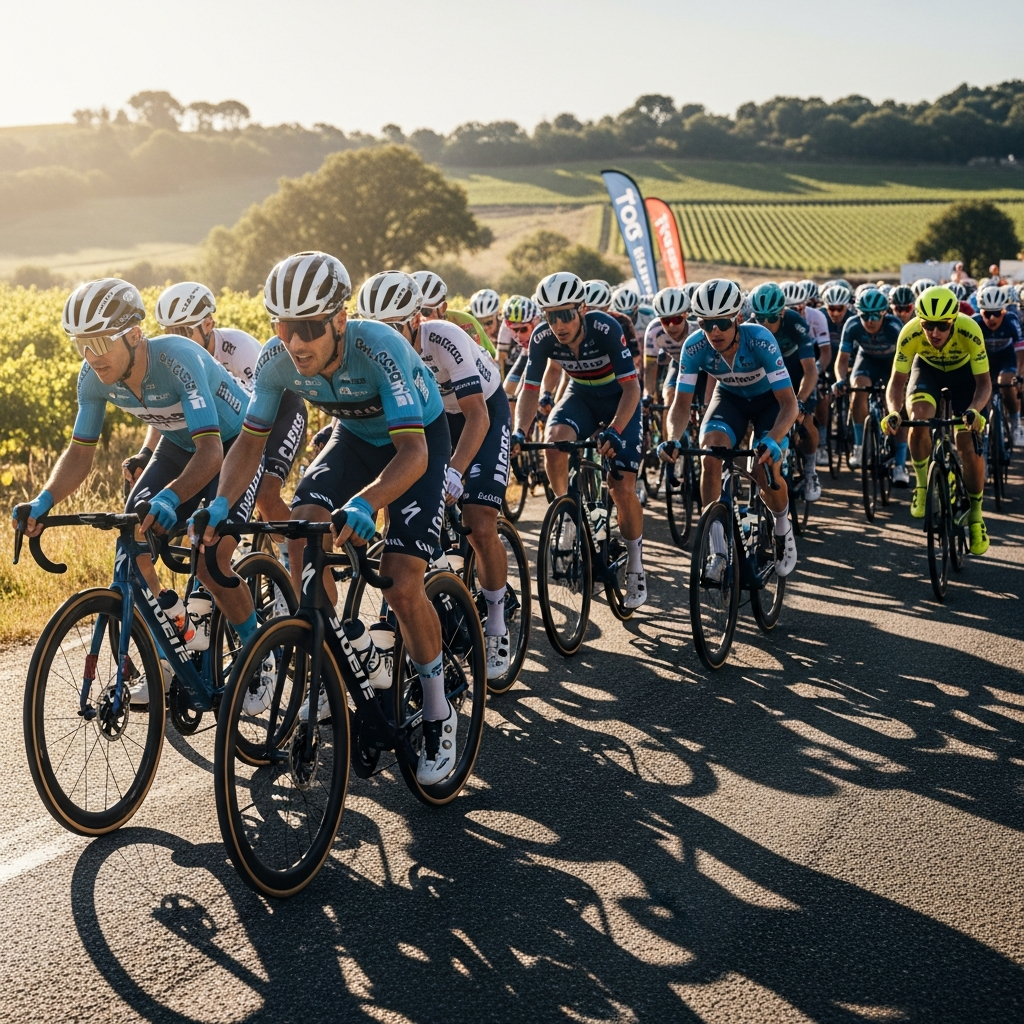
When triathletes lined up for the Paris 2024 test event in August 2023, nobody quite knew what to expect. The Seine River — off-limits to swimmers for over a century — was about to host its first competitive swimming event in living memory. French officials had spent years and billions of euros preparing for this moment.
The test event delivered exactly the mixed results everyone feared. The individual races went ahead as planned. But the Mixed Team Relay had to be converted into a duathlon format after water quality readings came in too high. Athletes ran and biked but never touched the water that day. That’s what makes triathlon endearing to us fans of the sport — the unpredictability is part of the deal, but having an entire Olympic venue be a coin flip felt like a different level entirely.
“The course is great, it goes very fast by bike, it’s technical,” French world champion Vincent Luis told reporters after completing the course. His teammate Emma Lombardi finished fourth, giving the home crowd something to cheer about despite the water quality concerns hanging over the venue like a permanent weather system.
$1.5 Billion to Make a River Swimmable Again
Probably should have led on this subject, in fairness — because the scale of the cleanup effort puts everything else in context.
The Seine was not always this dirty. But decades of urban runoff, combined sewer systems that dump overflow directly into the river during heavy rain, and industrial pollution had turned Paris’s most famous waterway into something you definitely would not want to swim in. The French government essentially bet its Olympic reputation on fixing this.
The cleanup effort was staggering. Authorities constructed a massive underground basin capable of holding 50,000 cubic meters of stormwater — enough to prevent sewage overflows during moderate rain events. They upgraded treatment plants along the river’s path through the city. Old pipes were replaced. New real-time monitoring systems went online.
Total cost came to about 1.4 billion euros — roughly $1.5 billion USD. That is a genuinely enormous amount of money to make a river swimmable, but Paris had staked everything on pulling this off. And the infrastructure improvements would outlast the Games themselves, which was the real point.
Race Week — When the Rain Almost Ruined Everything
Fast forward to late July 2024. Heavy rains had pounded the Paris region in the days leading up to the triathlon events, and anyone following the sport knew exactly what that meant — bacteria levels were spiking in the Seine despite all that infrastructure spending.
The men’s race, originally scheduled for Tuesday July 30th, got postponed. Athletes who had trained for four years toward this specific moment suddenly found themselves waiting, checking their phones for updates, wondering if they would get to race at all. I’m apparently the kind of fan who refreshes race updates every thirty seconds during these situations. My phone battery did not appreciate it.
Then came Wednesday morning. Test results showed the Seine had cleared enough to meet safety standards. Both the men’s and women’s races would proceed back-to-back on the same day. The relief was palpable even through a screen.
Beaugrand Delivers for France
Cassandre Beaugrand carried the weight of an entire nation on her shoulders that Wednesday morning. The world number one had the talent, but performing at home with millions watching is a different kind of pressure entirely.
She handled it beautifully. Beaugrand emerged from the Seine swim in good position, navigated the technical bike course through central Paris, then pulled away on the final lap of the run. She crossed the finish line in 1:54:55, becoming the first French athlete ever to win an Olympic triathlon gold medal.
Behind her, Switzerland’s Julie Derron claimed silver just six seconds back. Britain’s Beth Potter, always a threat in these races, rounded out the podium with bronze.
“I wasn’t very worried about swimming in the Seine because we swam last year and no one was sick after that,” Beaugrand said afterward. “I was confident we could swim today.”
Yee’s Impossible Comeback
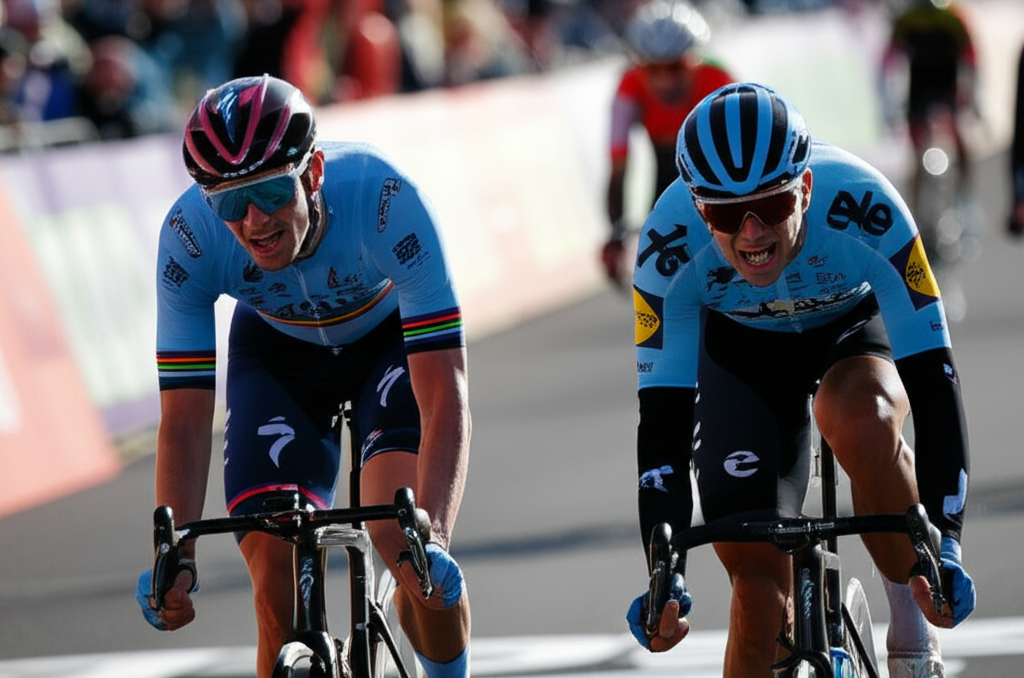
If the women’s race showcased dominance, the men’s event was pure drama — the kind of finish that makes you yell at a laptop screen and scare the dog.
New Zealand’s Hayden Wilde looked to have the gold medal locked up. He had built a 15-second lead during the run — an eternity in elite triathlon — and seemed to be cruising toward the biggest win of his career. Every analyst watching assumed it was over.
Alex Yee had other plans. The British athlete, already an Olympic gold medalist from Tokyo’s mixed relay, started chipping away at Wilde’s advantage. With 1.5 kilometers remaining, Yee was still well back. Spectators watching assumed it was too little, too late.
Then something clicked. Yee found another gear nobody knew he had. He closed the gap with stunning speed, caught Wilde on the final bend, and powered past him to take gold in 1:43:33. Wilde finished six seconds back in silver. Leo Bergere gave France another medal with bronze, finishing just four seconds behind Wilde.
The win made Yee the only triathlete in Olympic history to claim both an individual gold and a relay gold. Watching that final 500 meters live was one of the best moments I have had as a sports fan in years.
What Paris 2024 Proved for the Sport
Paris 2024 proved something important: you can rehabilitate an urban river for competitive swimming. It is expensive, it is complicated, and it requires years of planning and infrastructure investment — but it can be done. The Seine still has a way to go before it becomes a regular swimming destination for Parisians, but the Olympics showed what is possible when a city commits to cleaning up its waterways.
For the athletes, these races delivered moments that will be replayed for decades. Beaugrand’s coronation as the new queen of women’s triathlon. Yee’s impossible comeback. The drama of racing through the heart of Paris with the Eiffel Tower visible from the course.
And for triathlon fans — those of us who refresh results pages at 4 a.m. and argue about transition times in group chats — that is worth celebrating, regardless of what the bacteria counts said the day before.



Stay in the loop
Get the latest cycling events today updates delivered to your inbox.