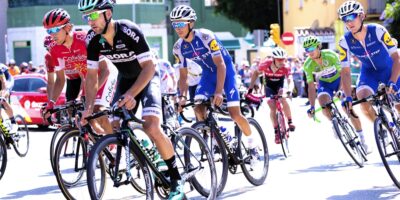
Understanding Stage Race Structure
Stage races compress the complexity of cycling competition into multi-day formats where different rider types can excel on different days, yet overall victory requires sustained excellence. The classification system—general classification, mountains, points, and others—creates races within races, offering competitive meaning across the entire field rather than just the few contending for overall victory.
Stage races range from two-day weekenders to three-week Grand Tours. The format rewards consistency over single brilliance: a stage winner who loses minutes on other days finishes behind a rider who never wins but never falters. This structure creates tactical depth impossible in single-day racing.
For participants in amateur stage races, understanding the classification system transforms the experience from mere survival to strategic engagement. Even mid-pack riders can compete for specific classifications or target personal goals framed by the professional system.
General Classification: The Yellow Jersey Goal
The general classification (GC) ranks riders by cumulative time across all stages. The leader wears a distinctive jersey—yellow at the Tour de France, pink at the Giro d’Italia, red at the Vuelta a Espana—and defending this position becomes the primary team objective once captured.
GC contention requires versatility: time trialing ability, climbing legs, and the recovery capacity to repeat efforts day after day. Specialists in one discipline rarely win overall; the race structure rewards all-arounders who minimize losses everywhere rather than maximize gains somewhere.
The psychological burden of the leader’s jersey adds another dimension. Every attack targets you. Every team with GC ambitions coordinates against your squad. Media obligations intrude on recovery time. Some riders thrive under this pressure; others crack despite physical capability.
Time bonuses awarded at stage finishes and intermediate sprints introduce complexity beyond raw racing time. A rider finishing second might gain a net advantage over the stage winner if time bonuses accumulated elsewhere exceed the time gap. Understanding bonus structures enables tactical decision-making that casual observers miss entirely.
At Grand Tours, seconds matter. The 2023 Tour de France was decided by a cumulative margin under two minutes across 3,400 kilometers of racing. Single tactical decisions—whether to chase a breakaway, which wheel to follow up a climb—compound across days into decisive advantages or fatal deficits.
King of the Mountains: The Climber’s Competition
The mountains classification (KOM—King of the Mountains, or QOM for women’s racing) awards points at designated climb summits. Climbs are categorized by difficulty: Category 4 (easiest) through Category 1, with hors categorie (HC, “beyond category”) reserved for the most brutal ascents. Higher-category climbs offer more points, with HC summits providing maximum value.
The polka dot jersey at the Tour de France—red dots on white background—identifies the mountains leader. Other races use different designs but follow similar point structures.
Pure climbers who cannot contend for overall victory often target the mountains classification instead. This pursuit provides meaningful competition and media attention for riders whose skills don’t translate to GC contention. The mountains jersey represents a legitimate achievement, not a consolation prize.
Breakaway specialists who can accumulate climbing points before the favorites arrive become mountains classification contenders. By joining long-distance breakaways and cresting intermediate climbs first, riders build point leads that defenders must actively chase. Some mountains competitions are decided before the queen stage begins.
The strategic question for teams: commit resources to the mountains classification or focus entirely on GC? Some squads designate climbing domestiques as mountains candidates, maximizing return on rider investment. Others view the classification as a distraction from primary objectives.
Points Classification: The Sprinter’s Race
The points classification rewards intermediate sprint performance and stage finish placements. Points distribution favors flat stage finishes where sprinters thrive, though intermediate sprints on all stages contribute. The green jersey at the Tour de France, purple at other races, identifies leadership.
Points allocation differs between stage types. A flat stage finish might award 50-25-20-15 points to the top finishers, while a mountain stage awards 20-17-15 for the same positions. This weighting reflects the difficulty sprinters face completing mountain stages at all.
Points classification combines sprinting power with survival skills. The leader must navigate mountain stages without losing time beyond cutoffs, staying present for flat stages where points concentrate. Pure sprinters require team support on difficult days—paced to the finish within limits. Versatile punchy riders who can self-manage across terrain types become points contenders without team dependency.
Intermediate sprints create race-within-race dynamics. Points on offer aren’t sufficient to justify maximum effort from GC contenders, but they matter enormously to classification competitors. Breakaways often contest intermediate sprints even when they know the peloton will eventually catch them.
Best Young Rider Classification
Best young rider competitions identify emerging talent within the GC framework. Age limits vary by race—typically riders under 25 or 26 qualify. These classifications use overall time rather than separate scoring, creating a race-within-a-race for younger competitors who might not challenge established veterans.
The white jersey at the Tour marks the young rider leader. For developing professionals, this classification provides major goals before full GC competitiveness develops. Tadej Pogacar won the white jersey en route to his first Tour de France overall victory—the classification serves as both stepping stone and achievement.
Teams invest differently in young rider contention. Some view it as developmental priority, supporting classified youngsters through difficult stages. Others treat it as incidental—whatever happens in the young rider competition matters less than team objectives for GC or stage wins.
Team Classification
Team classifications aggregate times of each team’s top finishers daily—typically the first three riders across the line. This recognizes collective organizational excellence rather than individual performance. Strong teams place multiple riders near stage finishes consistently; teams in crisis see their classification standing collapse as individuals falter.
Team classification incentivizes depth over individual stardom. A squad with one GC contender surrounded by weak support might struggle in team standings against balanced rosters without clear leaders. Prize money and prestige attach to team classification success.
Tactical implications emerge when team classification matters for stage access in subsequent events or sponsor obligations. Teams sometimes coordinate non-intuitive decisions—pacing struggling teammates to the finish rather than abandoning them—to preserve team standing.
Combativity and Special Awards
Combativity awards recognize aggressive racing regardless of result. Judges select the most attacking rider each stage, with a super-combativity prize for overall race aggression. The red number at the Tour identifies the current combativity leader.
This classification creates meaningful recognition for animated racing that doesn’t yield traditional success. Breakaway specialists, aggressive climbers, and attacking tacticians receive visibility that results alone might not provide. Sponsors value combativity recognition—it generates media coverage independent of final classifications.
How Classifications Interact
Multiple classifications create competing incentives within the peloton that drive fascinating tactical dynamics. A breakaway might contain a GC contender’s teammate (protecting the leader by not chasing), a climber hunting mountains points (maximizing personal classification), and a domestique seeking personal recognition through combativity.
These mixed motivations drive cooperation among unlikely allies and conflict among apparent teammates. Understanding classification dynamics improves both spectator experience and racing participation. When riders attack unexpectedly, classification context often explains motivations invisible to casual viewers.
The winner of a summit finish might matter less to classification outcomes than the third-place finisher who secured enough points to claim a jersey. Savvy observers track multiple concurrent competitions rather than focusing solely on the finish line.
Applying This Knowledge
Stage races reward students of the sport—those who understand how daily battles connect to overall standing, and how individual efforts serve larger strategic goals. Whether watching professional racing or competing in amateur multi-day events, classification literacy transforms the experience.
For amateur participants, selecting a personal classification focus provides achievable goals. Competing for GC against elite amateurs might be unrealistic; hunting age-group classification or most-improved recognition offers meaningful targets. Professional structure scales to amateur contexts.